
Transportation
Transportation-related items, e.g. public transit, buses, subways, cars, bicycles, and more.
-
Never get on the wrong train again (assuming your city has a functional public transit system), thanks to these new musical cues—enjoy country music and/or smooth jazz on your entire commute! Also, it’s the same songs every single day.
country western, green line, japanese subway jingle, jingle, metro, metro stations, Music, music for subways, rail line, red line, sgt. pepper, stations, subway, subway line music, subway music, subway stations, subways, train jingle, train music, train theme, trains, transit line leitmotifs, transit theme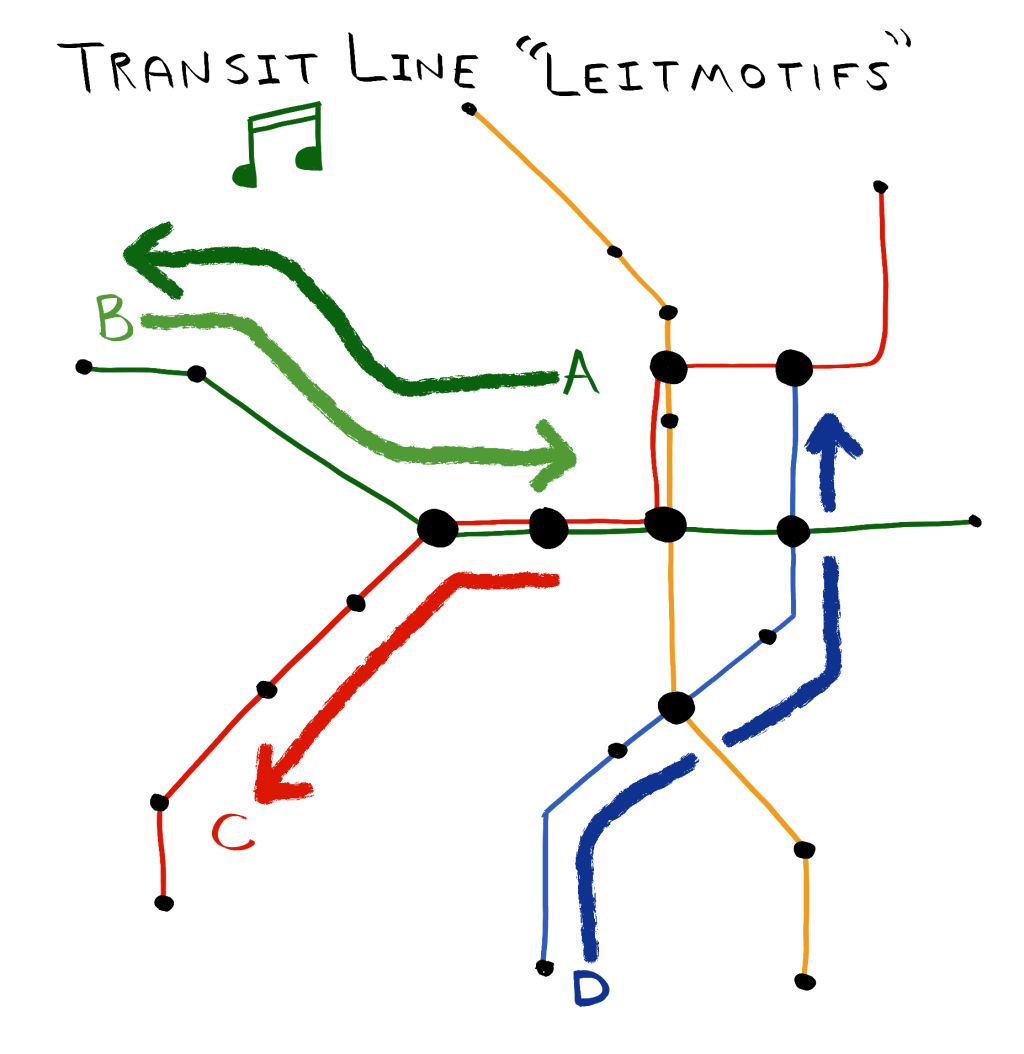
The issue: In cities with extensive public transit systems, it can be easy to get on the wrong bus/train/subway or miss your stop. Obviously, an astute transit-taker could realize their mistake by noticing the following: Stop names being verbally announced Stop names being indicated on a screen, even on buses. In some places, different metro…
-

Background: In many cities, there is no substantial funding for public transit. This results in extremely poor service (routes with minimal coverage of the city and few buses). This leads to a “death spiral” where people stop taking the (terrible) public transit, the service gets even worse, and so on. These problems can, in theory,…
-

Background: In many cities, there are a large number of “almost-a-parking-spot” locations (for example, between two driveways) that can only fit an extremely small car. Additionally, most popular models of small cars have gotten substantially larger over time. For example, a 1959 Mini Cooper is 120 inches long, while a 2005 model is 143 inches…
-
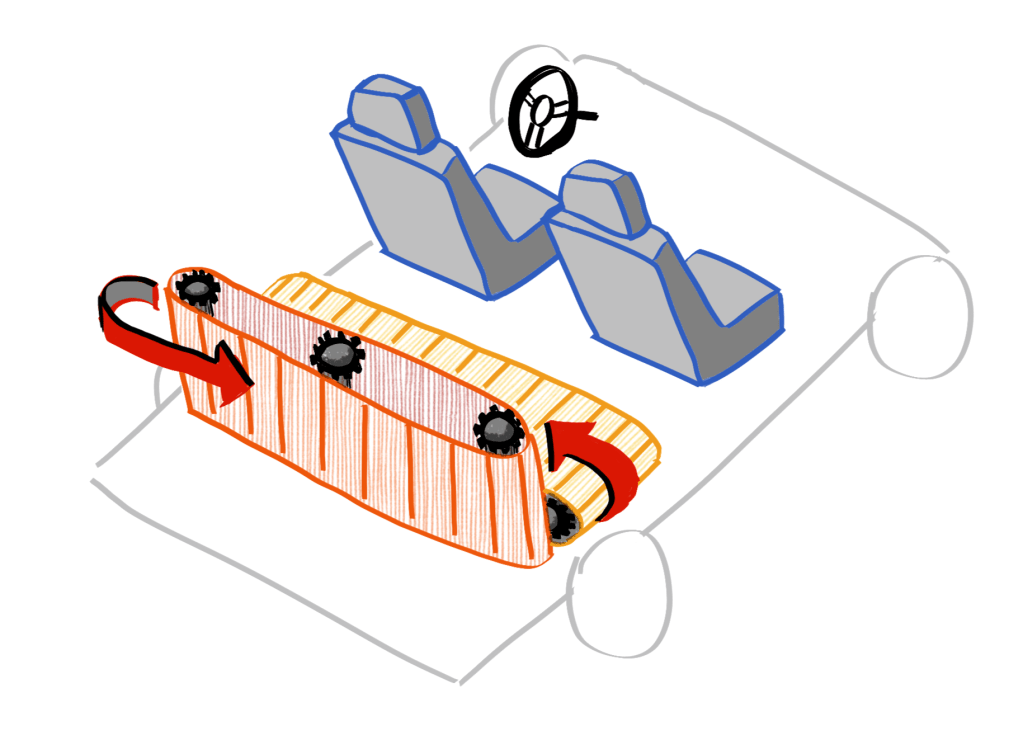
The issue: One transportation model used by ride-sharing cars (formerly called “taxis”) is the “carpool”-style trip, where multiple passengers are picked up and dropped off at various points along a mostly-shared route. (Lyft Line and Uber Pool are currently the most well-known of these.) This “carpool”-style trip is cheaper than a normal ride for each…
-
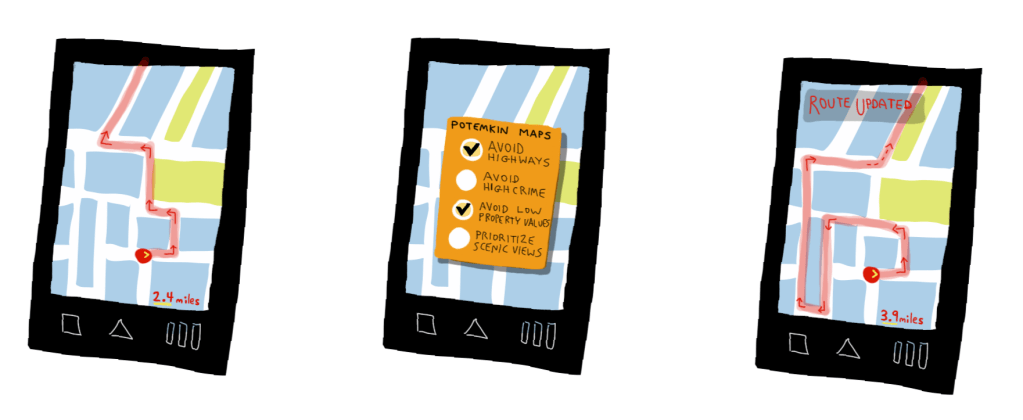
Background: Phone map apps often have a few optional settings for a route, such as: Avoid highways (for driving) Fewer bus transfers (for public transit) Avoid hills (for walking) The issue: Sometimes, you want drive on the most scenic route from point A to point B, without too much concern about efficiency. For example, you might…
-

Background: In most American cities, four-way intersections with stoplights are the most common form of traffic control. The issue: As a pedestrian, these intersections are frustrating: if the stoplights are not synchronized, you’ll randomly encounter red lights while walking from block to block. But even when lights are synchronized, they are synchronized for car driving…
-

Background: In a hypothetical future where self-driving cars are increasingly common, they’ll have to do a really good job of automatically distinguishing between things that require sudden braking (e.g. a person in the roadway) and things that are OK to hit (e.g. a tumbling empty cardboard box). The issue: This is a hard problem. When…
-

The issue: One ever-present hazard for bicyclists is the possibility of being “doored”—hit by a suddenly-opened driver’s side door of a parked car. A similar issue confounds carpool passengers: when exiting a full vehicle, the driver’s-side passenger must open the door directly into traffic (since they cannot exit on the curb side). This presents the…
-
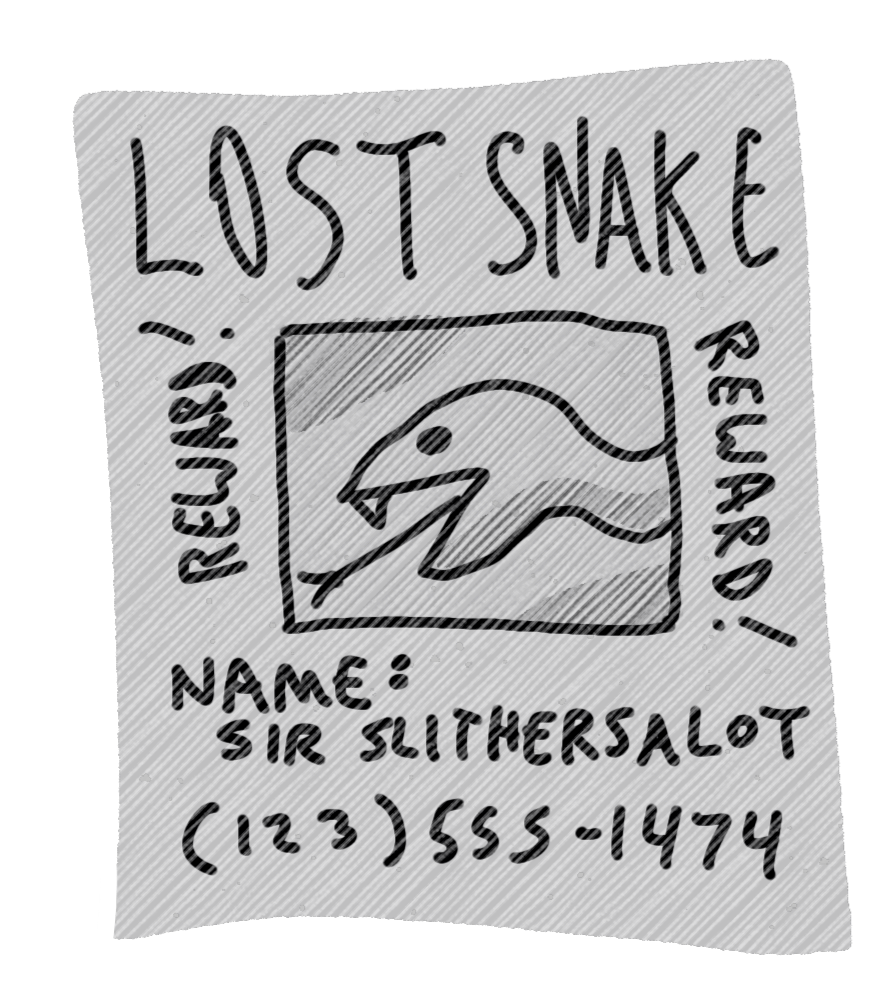
Background: “Lost cat” and “lost dog” signs are often placed up on telephone poles (Fig. 1), but it’s unlikely that a specific person who sees a lost pet will also have seen the sign (or even know that the pet is actually lost in the first place). Proposal: In order to add more people…
-
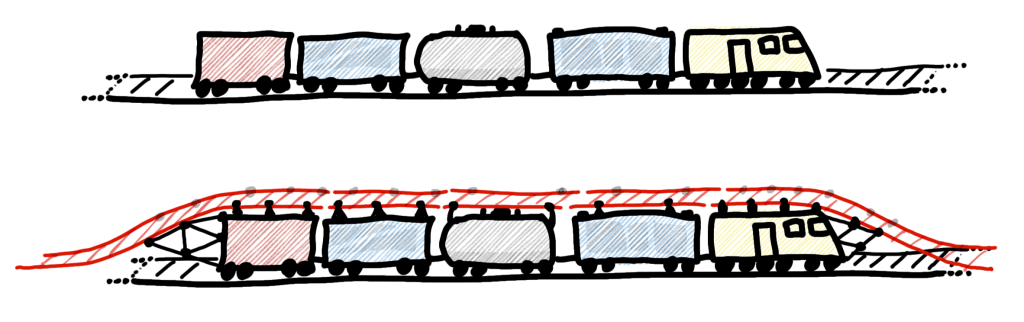
Background: Rail-based transportation has an inescapable problem: in a single-track situation, there is no way for a train to pull over and let another train pass. The issue: Thus, a single stopped train can block an entire track indefinitely. And a slow train can’t be overtaken by an express train. This can be solved by…
 WorstPlans: updated every Monday since July 2014!
You must be logged in to post a comment.