
Technology
-
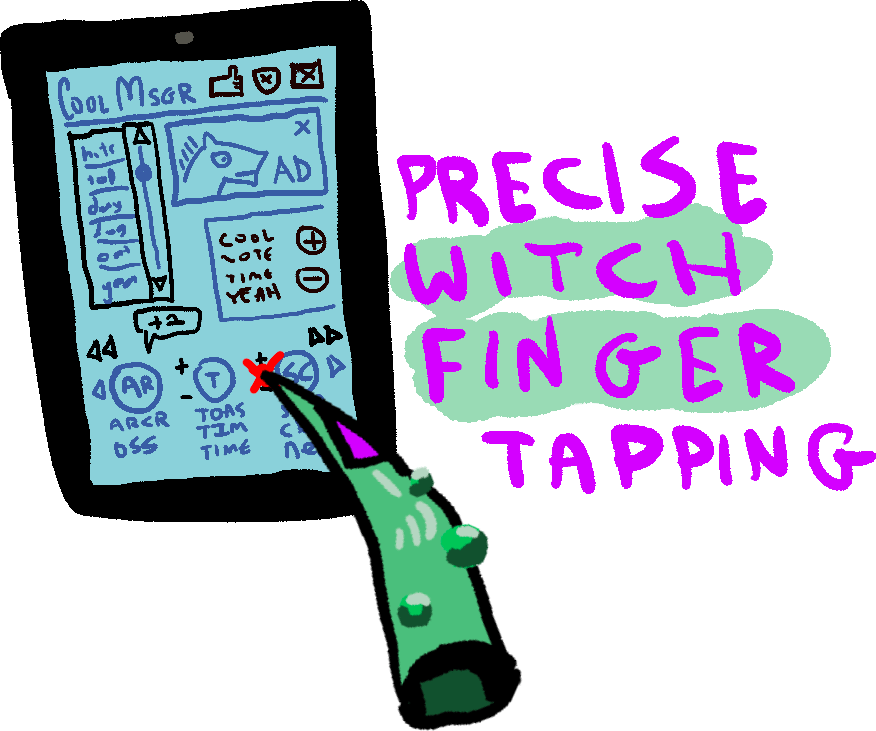
The Issue: As phone apps try to cram more and more features into a device the size of an index card, tappable elements have become denser, smaller, and more numerous. The human finger is simply not suitable (Figure 1) for the high density of tappable elements provided in apps such as Reddit and Spotify. Proposal:…
-

The Issue: Vertical orientation is the standard for short-form videos, which are optimized for viewing on (tall) cell phone screens. Unfortunately, desktop monitors are wide, not tall. This means the full-screen vertical video experience is suboptimal: such a video only fills about a third of the display area (Figure 1). Proposal: A vertical video aficionado could fix…
-
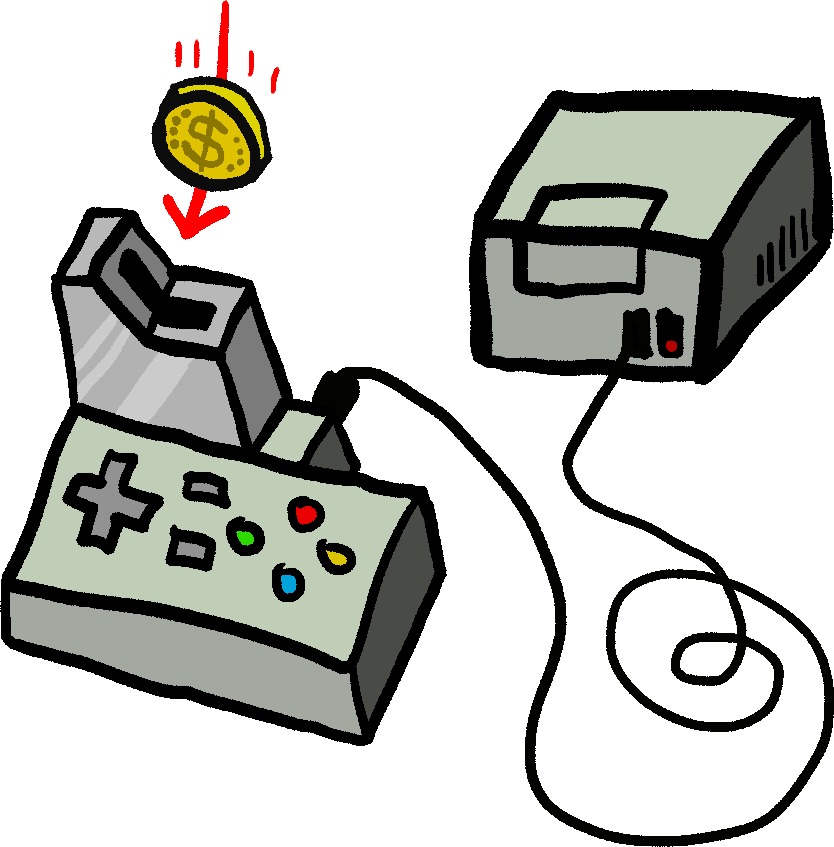
Background: In the ancient times of “video arcades,” progress in a game was partially limited by the number of quarters in a player’s pocket. Certain arcade games were often theoretically winnable by anyone, as long as that person was willing to spend $100+ on the attempt. The Issue: After home consoles killed the video arcade,…
-

Background: One major concern for any civilization that lasts for more than a few billion years is: what is the best long-term method to reliably store and retrieve energy? Solar panels on a planet work great, but only capture a tiny fraction of total solar output. Some ideas exist for working around this (Figure 1),…
-

Background: Many people find the relentless piling up of emails in their inbox to be stressful. There are various approaches for dealing with this. The most well-known is probably “inbox zero,” which recommends triaging emails when they’re relatively new (instead of procrastinating and letting them pile up). Although “inbox zero” doesn’t require that you should…
-
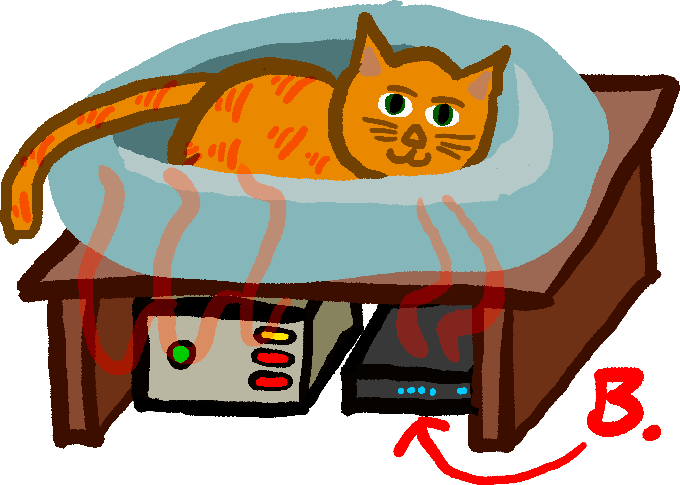
Background: Modern households have many “always on” appliances that generate waste heat. Although some devices can sleep in a low-power mode (e.g., laptops, game consoles), others (e.g. WiFi routers, Figure 1) are warm to the touch 24/7. Proposal: Let’s harness some of that wasted energy and use it to heat a cat bed! This can…
-

The Issue: Video meetings can be long and boring, and it’s easy for a participant to drift off while a presenter rambles. Unfortunately, the disengaged participant might be suddenly asked a question: they will then need to either reveal that they were spacing out or to provide a feeble excuse to have the question repeated.…
-

The Issue: Typically, opening a garage door requires either a key, remote control, or phone app. But wouldn’t it be convenient to be able to open your garage door just by knocking on it in a special pattern (Figure 1)? As it turns out, it is NOT convenient at all! (But read on anyway for…
-
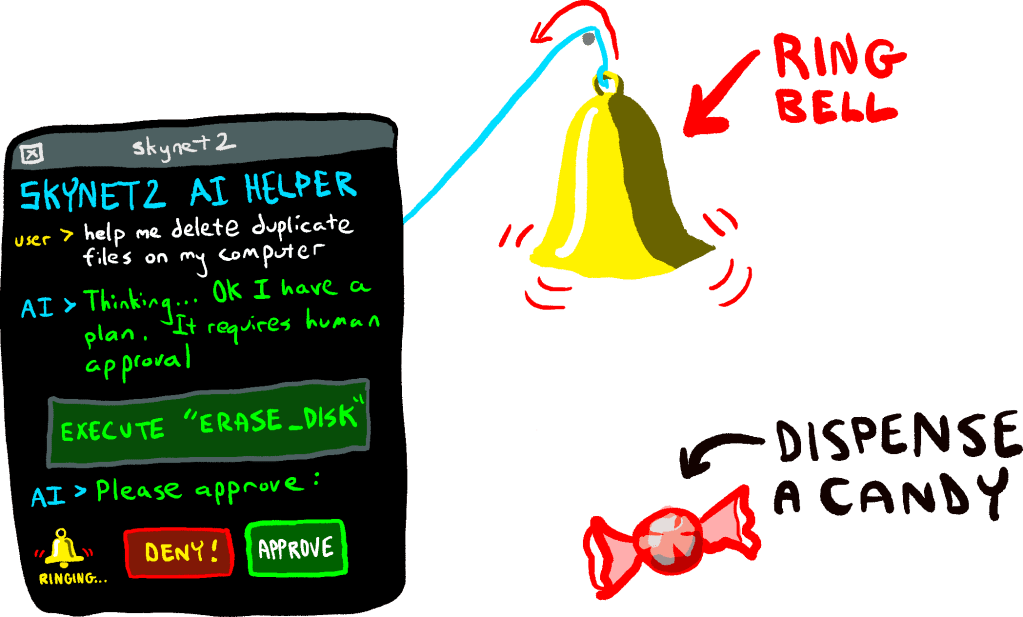
Background: AI assistants often have “guardrails” associated with their operation, where an AI must get human confirmation for a potentially unsafe action before executing it. Examples include: AI agent generates an email (but requires human confirmation to send it). AI agent finds something to purchase only (but requires human approval before checkout). AI agent identifies…
-

Background: Haunted houses are a Halloween experience that can range from extremely cheap and homemade (“this bowl of grapes is… human eyeballs!!!”) to extremely expensive and professional (e.g. Disney’s Haunted Mansion, although that’s not technically a “Halloween” experience). The goal of a haunted house is to evoke a feeling in the attendees that may range…

