
UI / UX
User interfaces and “user experience” ideas.
-

The Issue: As phone apps try to cram more and more features into a device the size of an index card, tappable elements have become denser, smaller, and more numerous. The human finger is simply not suitable (Figure 1) for the high density of tappable elements provided in apps such as Reddit and Spotify. Proposal:…
-

The Issue: Vertical orientation is the standard for short-form videos, which are optimized for viewing on (tall) cell phone screens. Unfortunately, desktop monitors are wide, not tall. This means the full-screen vertical video experience is suboptimal: such a video only fills about a third of the display area (Figure 1). Proposal: A vertical video aficionado could fix…
-
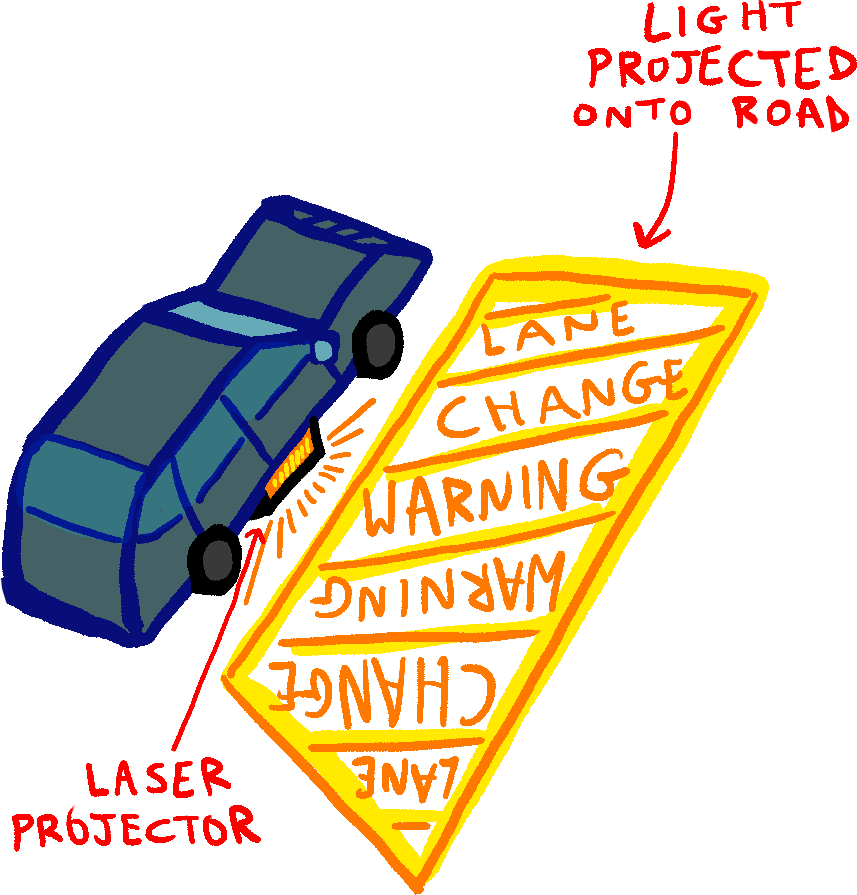
Background: The video game Cyberpunk 2077 is set in a dystopian corporate future where life is cheap, but it (surprisingly) features a courteous automotive safety feature. Specifically, some flying vehicles in this setting will project a red “Warning: vehicle is landing here!” grid onto the street before descending, so that no one is crushed by a…
-
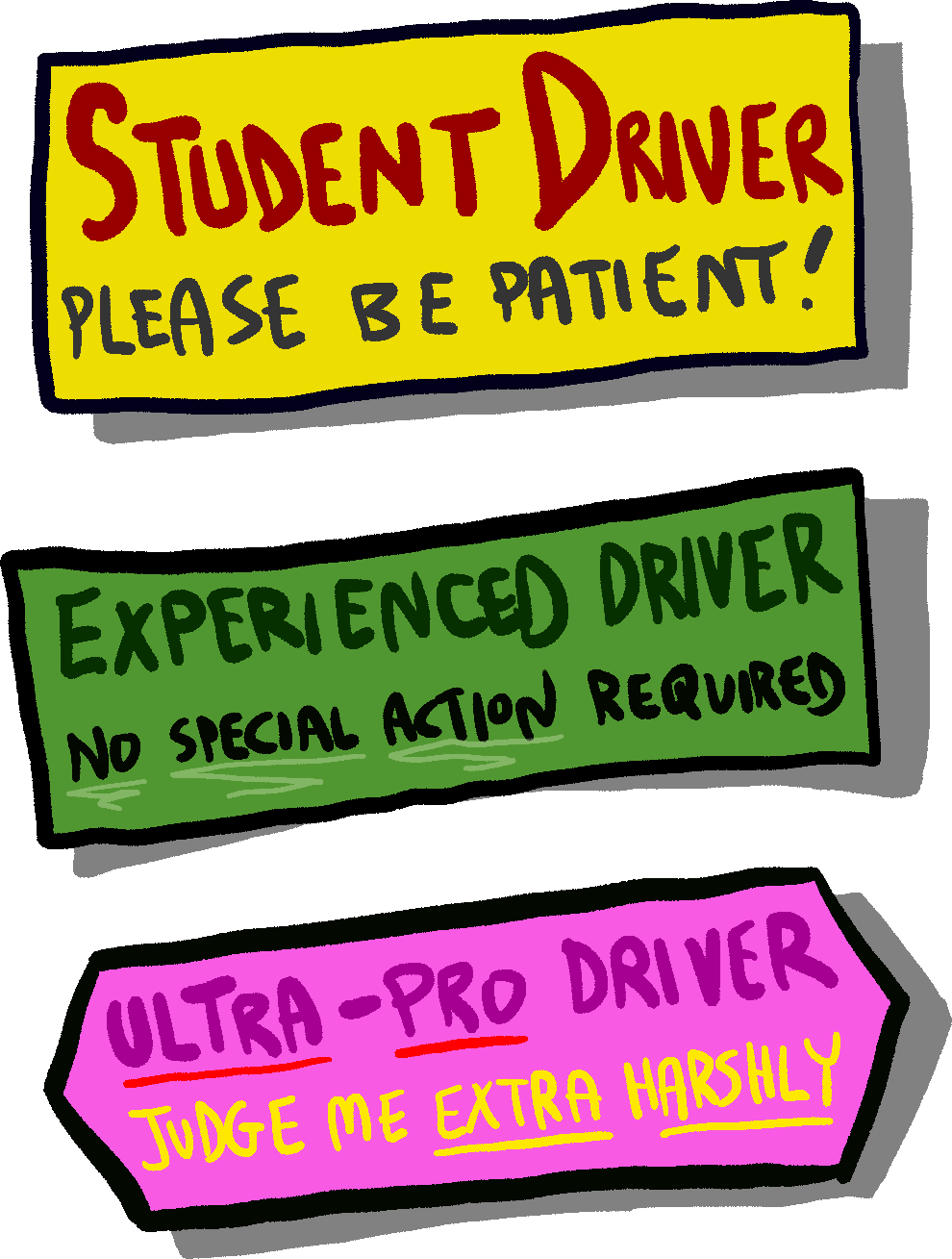
Background: A trend started in the 2020s where car owners would affix stickers to their car reading “Student Driver: Please Be Patient!” (Examples: https://www.google.com/search?q=student+driver+stickers+fad). For some reason, the wording of these stickers is almost always identical: “Please Be Patient” or “Thanks for Your Patience.” Proposal: The goal of these stickers seems to be to increase the…
-
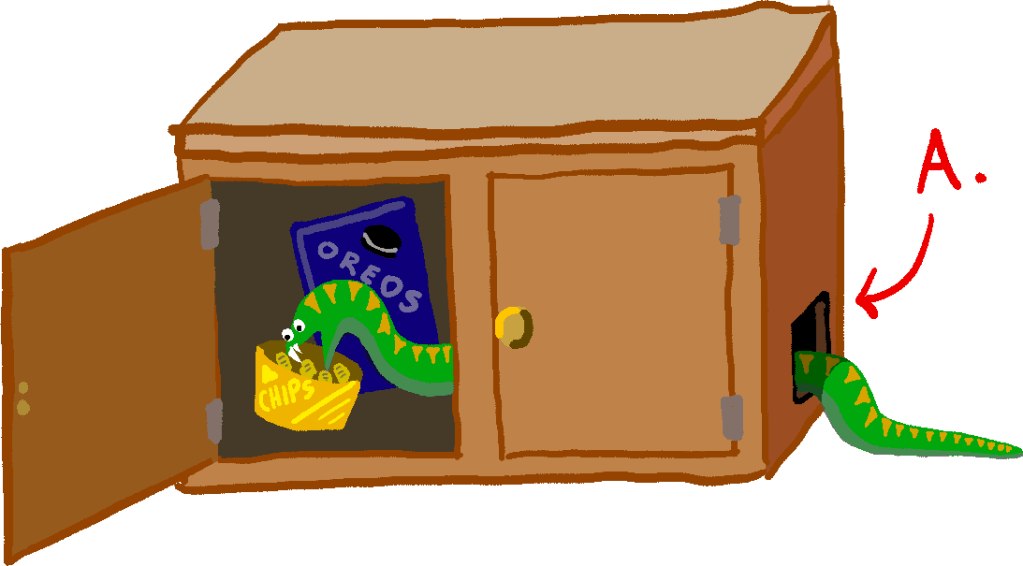
The Issue: In grocery stores, many snacks are sold in gigantic jumbo size packages. It can be hard to resist the compelling economic argument in favor of these snacks: you might get TEN TIMES as many potato chips for only twice the price. Unfortunately, this means that you may later feel compelled to actually eat…
-
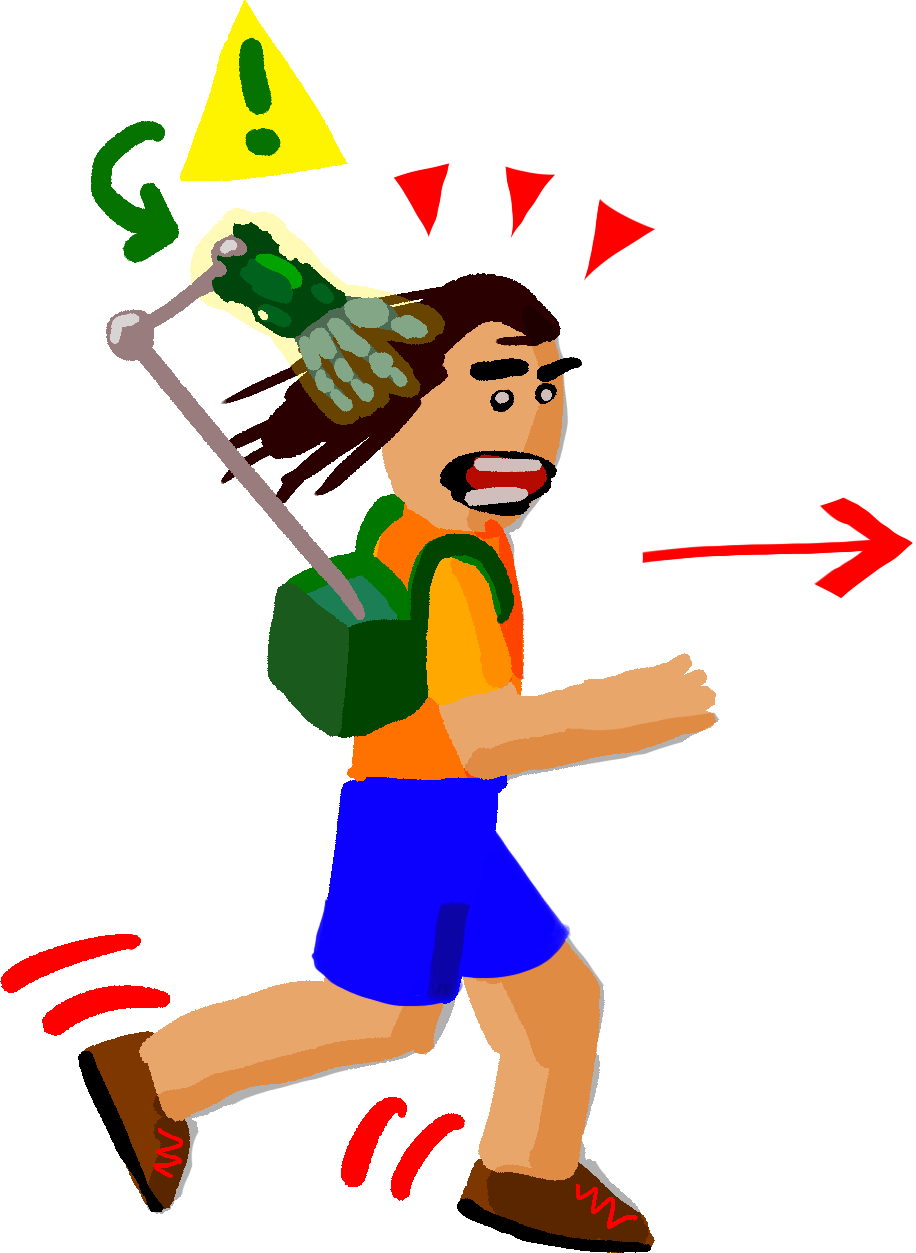
Background: One great idea for encouraging people to get exercise is the 2012 phone app “Zombies, Run!” (https://en.wikipedia.org/wiki/Zombies,_Run). This program gauges the user’s jogging progress by monitoring their phone’s GPS location, and it periodically warns the user that a horde of virtual zombies is chasing them. This should motivate the jogger to temporarily speed up…
-
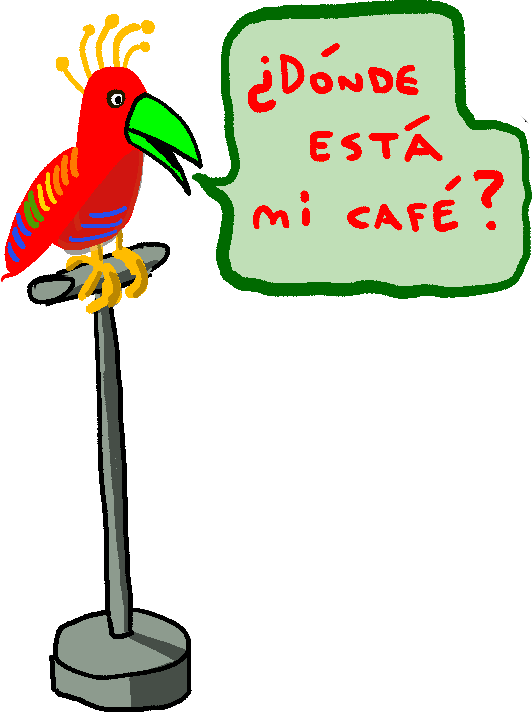
Background: When learning a foreign language, it can be difficult to advance beyond the stage of extremely basic competency. Once a person can “kind of” use a language, it is rare that their communication attempts will be corrected by random strangers, so that person will end up saying things like “Here, there is pancakes served?…
-

Background: Many people find the relentless piling up of emails in their inbox to be stressful. There are various approaches for dealing with this. The most well-known is probably “inbox zero,” which recommends triaging emails when they’re relatively new (instead of procrastinating and letting them pile up). Although “inbox zero” doesn’t require that you should…
-

The Issue: When a person is walking around a corner, there’s always a chance that they’ll unluckily collide with someone walking the opposite way (Figure 1). The fundamental problem is obvious enough: there’s just no way to see around the corner. Hospitals and parking garages frequently solve this issue by placing a big convex mirror…
-

The Issue: Washing machines and clothes dryers save an immense amount of time. But there’s still a significant bottleneck in the pipeline from “dryer” → “pile of clothes” → “dresser / closet”: specifically, the process of actually identifying each article of clothing (Figure 1). Before the pile of clothes can be sorted and put away, the clothes-washing individual will…

