
Design
-

The Issue: Bite-sized snacks pose a unique problem for the dedicated healthy-diet enthusiast. Since each snack is so small, it hardly seems necessary to resist eating one (Figure 1). However, this can lead to a snack-devouring “chain reaction” in which a hapless individual finds themselves having eaten an entire 1lb bag of M&Ms. Regret! We’ve covered…
-
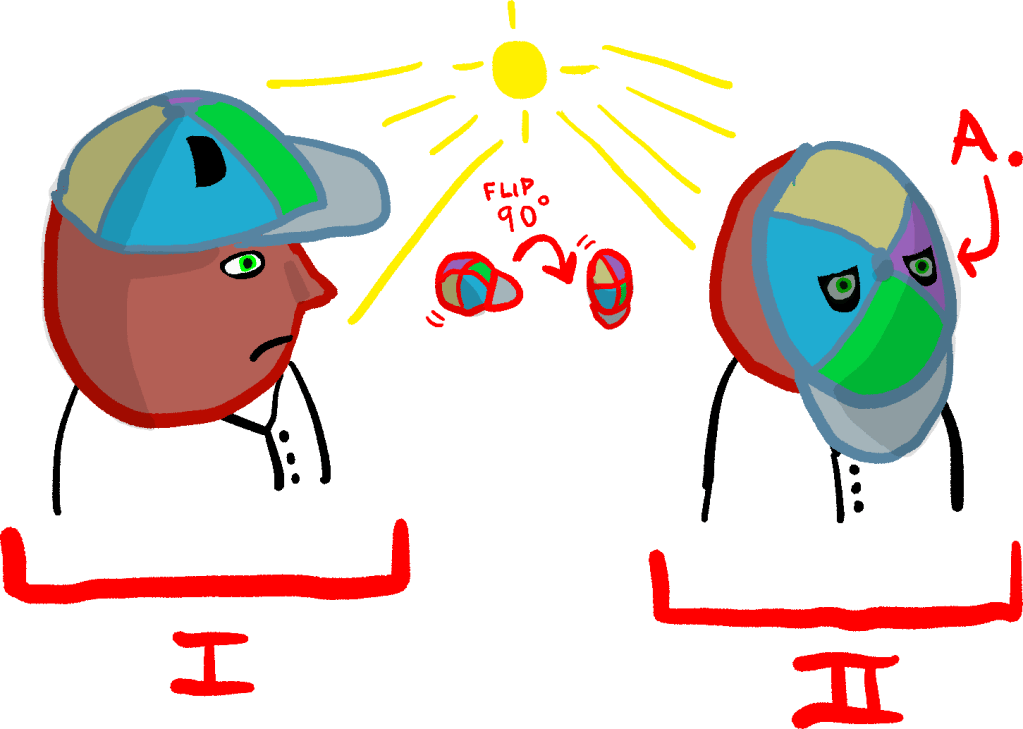
The Issue: A hat is usually sufficient to block the glare of the direct light of the sun, but sometimes this just isn’t enough. For example, if you’re at the beach, on a lake, or in a burning-hot parking lot, there can be enough reflected light to make the outdoors unbearably bright even for a…
-
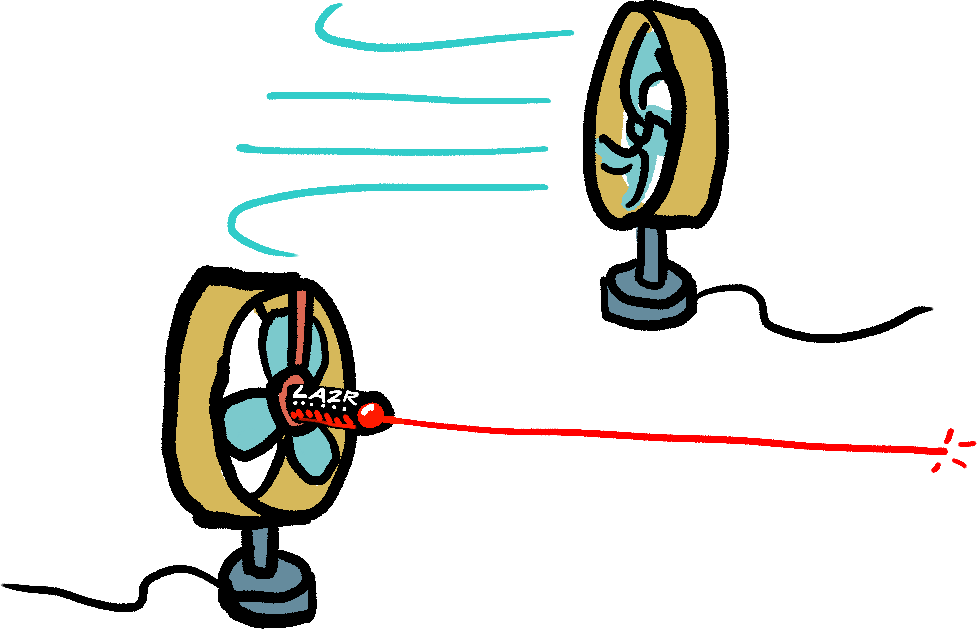
Background: When air conditioning is not available, fans (Figure 1) are the next best thing. The Issue: For a fan that is intended to cool off exactly one person (e.g. while they work at a desk, or sleep in a bed), it can be time-consuming to set up a fan and accurately aim it across…
-
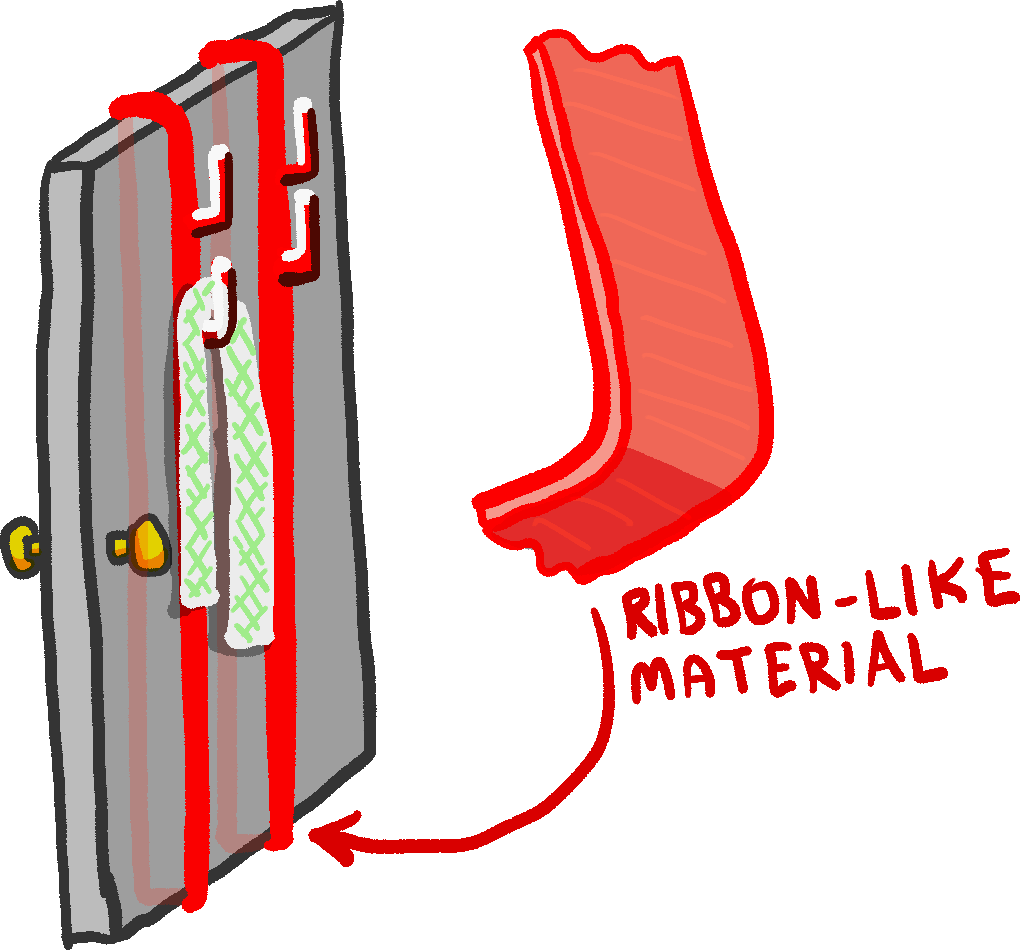
Background: One common feature in terrible dorm rooms and outdated rental units is the over-the-door towel hanger (Figure 1), which is a practical yet annoying way of adding hooks to a door without having to drill holes into the door. The Issue: These over-the-door hangers are finicky to hang just right, and tend to have…
-
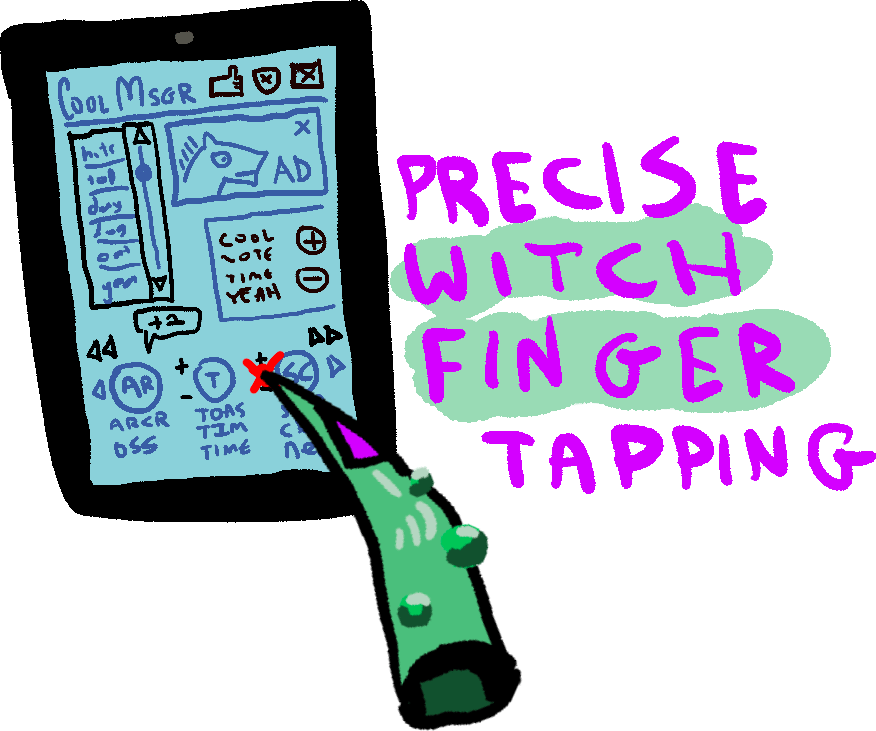
The Issue: As phone apps try to cram more and more features into a device the size of an index card, tappable elements have become denser, smaller, and more numerous. The human finger is simply not suitable (Figure 1) for the high density of tappable elements provided in apps such as Reddit and Spotify. Proposal:…
-
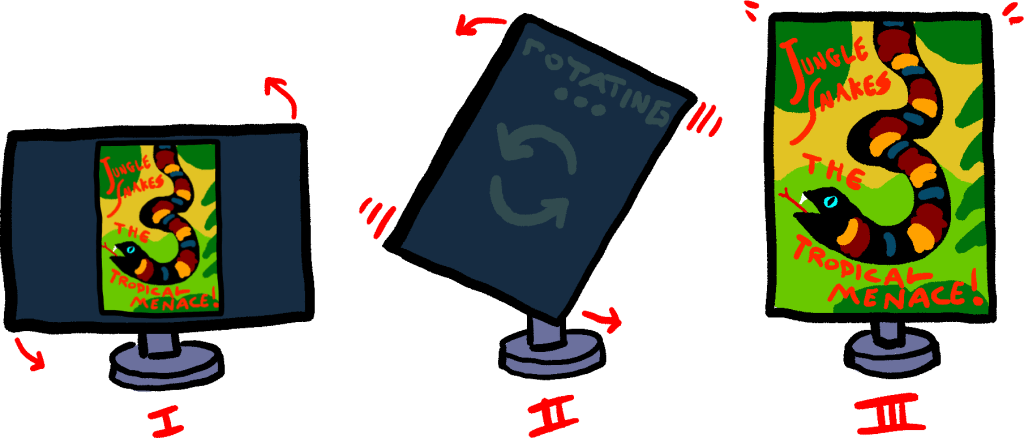
The Issue: Vertical orientation is the standard for short-form videos, which are optimized for viewing on (tall) cell phone screens. Unfortunately, desktop monitors are wide, not tall. This means the full-screen vertical video experience is suboptimal: such a video only fills about a third of the display area (Figure 1). Proposal: A vertical video aficionado could fix…
-
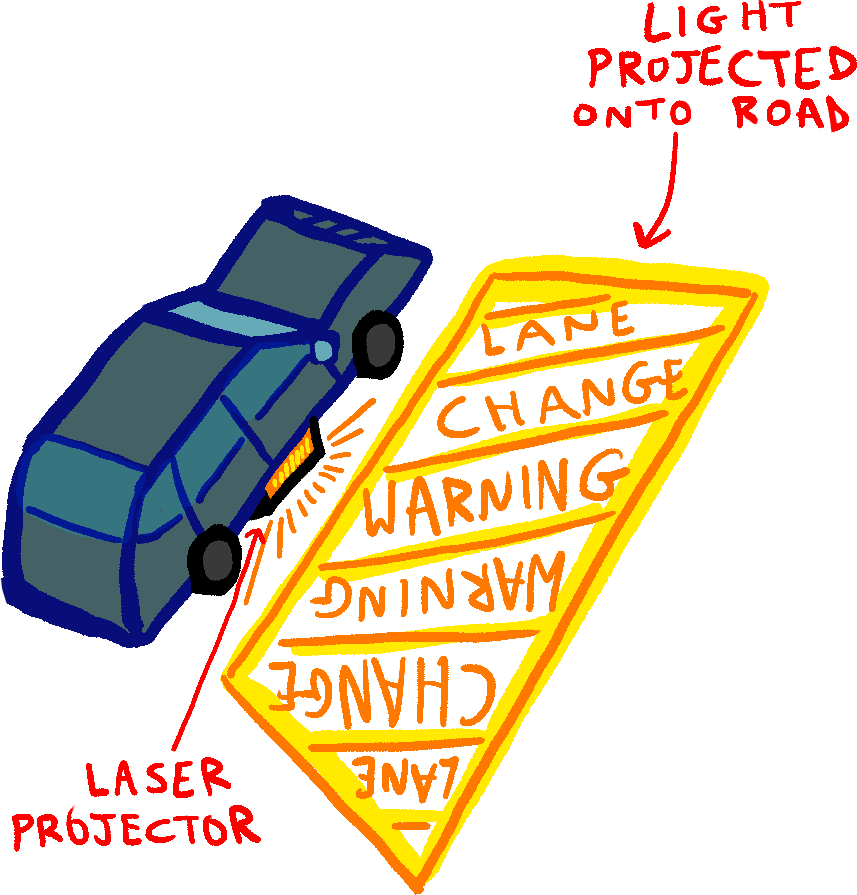
Background: The video game Cyberpunk 2077 is set in a dystopian corporate future where life is cheap, but it (surprisingly) features a courteous automotive safety feature. Specifically, some flying vehicles in this setting will project a red “Warning: vehicle is landing here!” grid onto the street before descending, so that no one is crushed by a…
-
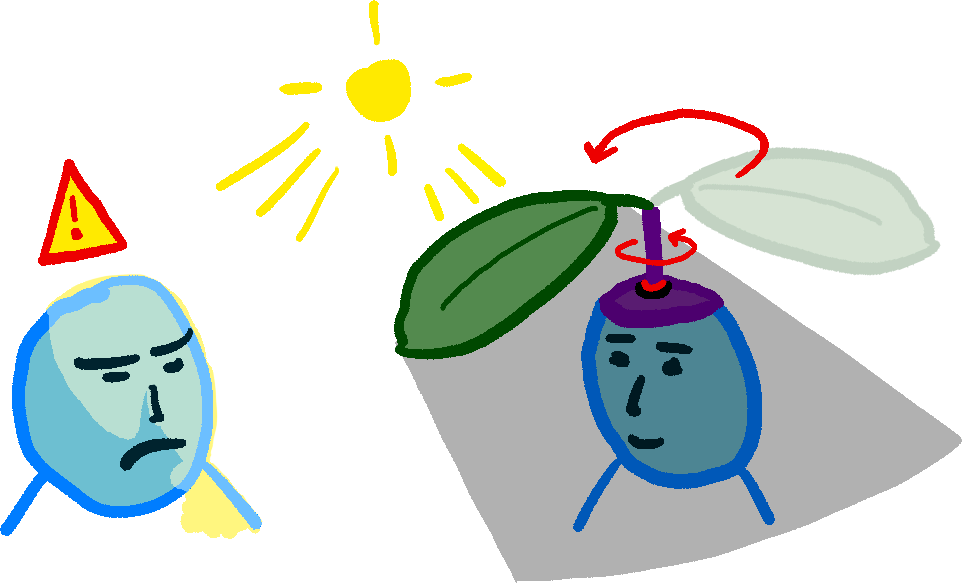
The Issue: As anyone who has worn a baseball cap knows, the brim does a passable job of shading the wearer’s eyes, but it provides inadequate coverage to the sides of the face and back of the neck, both of which are prime sunburn spots. Proposal: One certainly could just wear a full-360º-coverage hat (e.g.,…
-
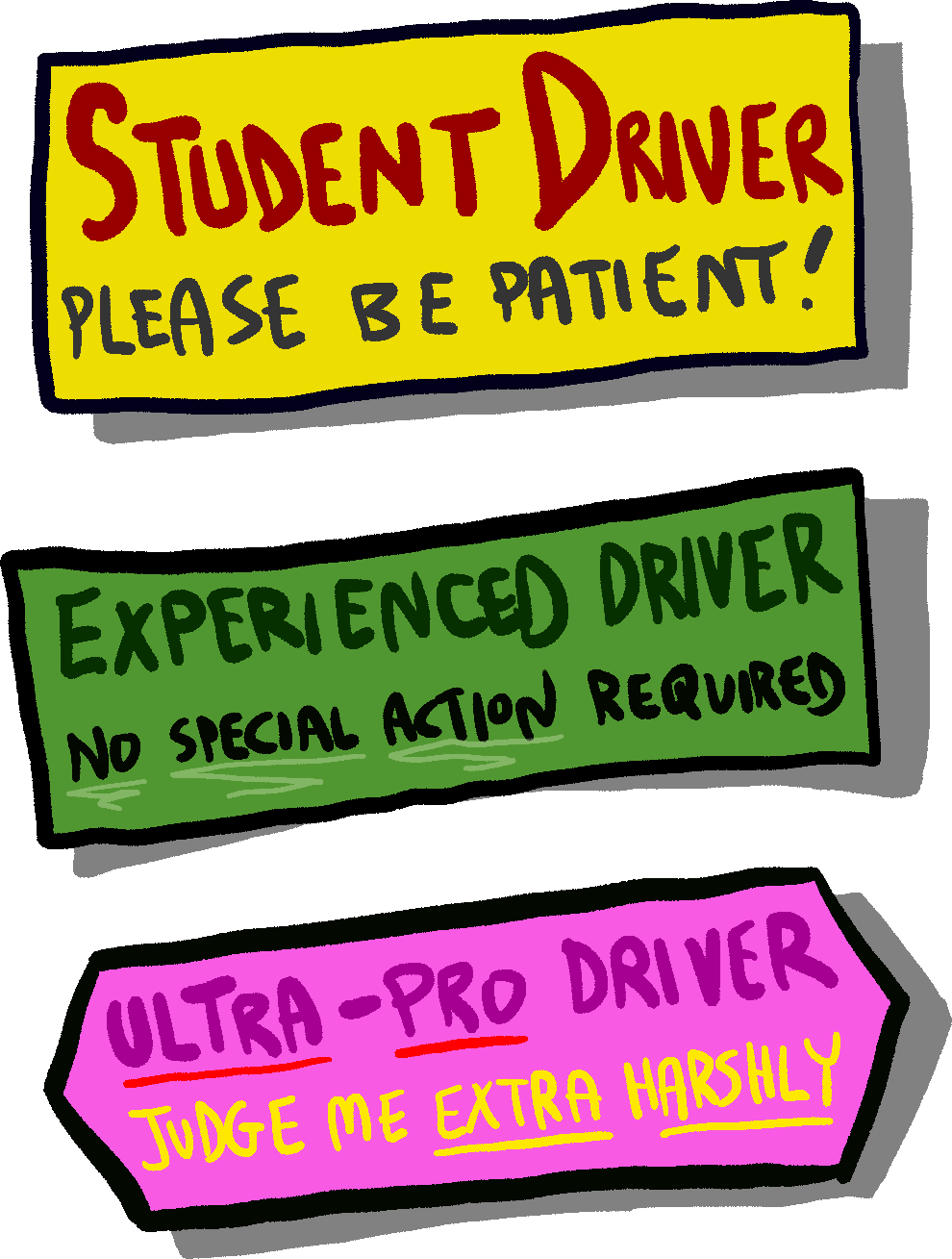
Background: A trend started in the 2020s where car owners would affix stickers to their car reading “Student Driver: Please Be Patient!” (Examples: https://www.google.com/search?q=student+driver+stickers+fad). For some reason, the wording of these stickers is almost always identical: “Please Be Patient” or “Thanks for Your Patience.” Proposal: The goal of these stickers seems to be to increase the…
-
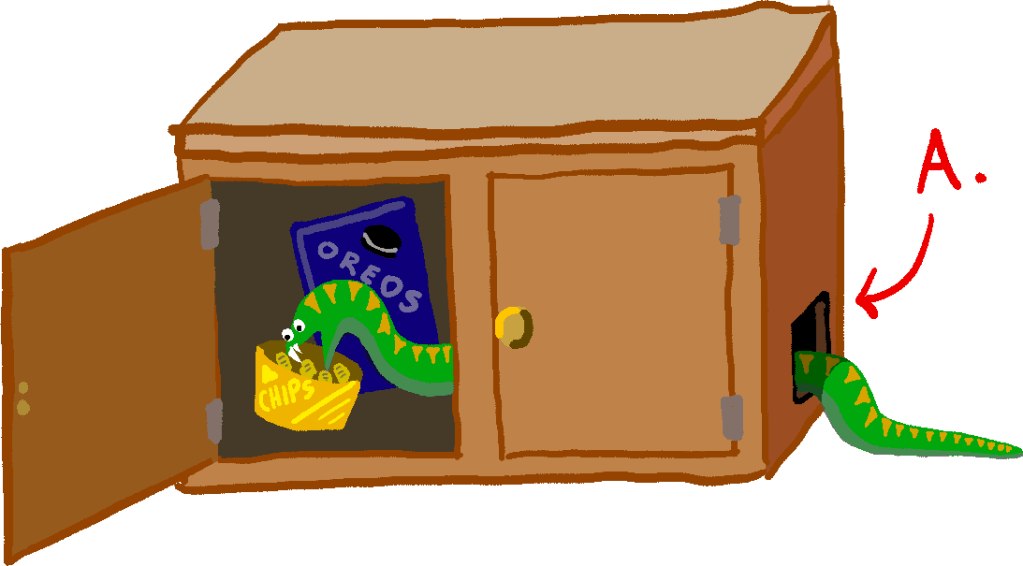
The Issue: In grocery stores, many snacks are sold in gigantic jumbo size packages. It can be hard to resist the compelling economic argument in favor of these snacks: you might get TEN TIMES as many potato chips for only twice the price. Unfortunately, this means that you may later feel compelled to actually eat…

