
Culture
-
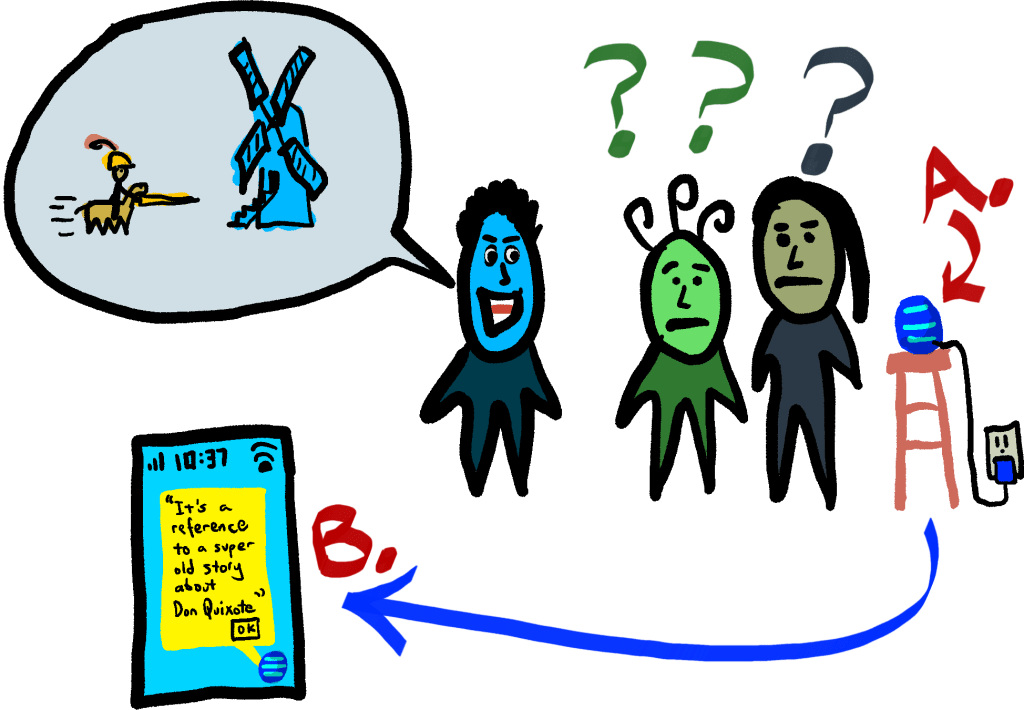
Background: Sometimes, people make references (“literary allusions,” if you prefer) to well-known books, movies, or other shared cultural elements. If the listener recognizes the reference, this can either be a convenient shorthand for describing something: e.g. “it’s a ‘Groundhog Day’ situation“ instead of “it seems like a scenario in which the same occurrence repeats over…
-
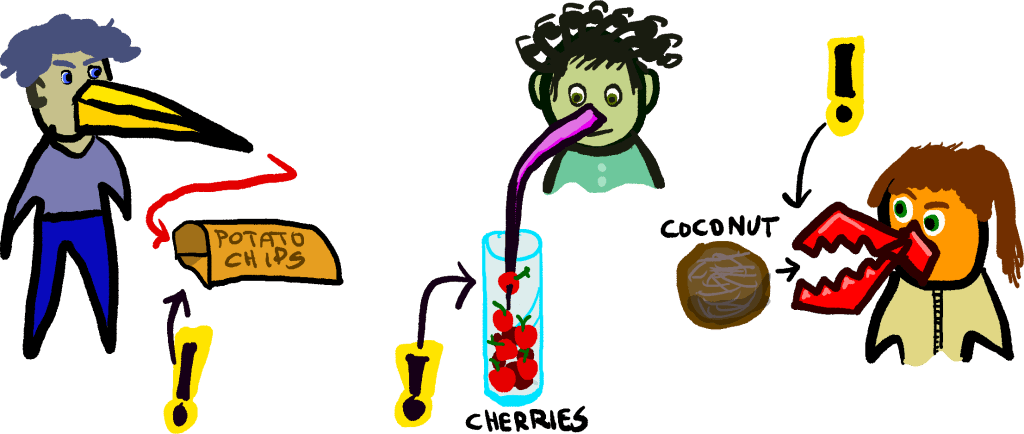
Background: Apparently there exists a rarely-celebrated “Darwin Day” holiday on February 12 (https://en.wikipedia.org/wiki/Darwin_Day). Charles Darwin is famous for looking at a bunch of weird birds—finches, specifically—and wondering if natural selection could explain the differences in their beaks. If I remember my high school biology, the idea is that each beak type is suitable for eating…
-

The Issue: Typically, opening a garage door requires either a key, remote control, or phone app. But wouldn’t it be convenient to be able to open your garage door just by knocking on it in a special pattern (Figure 1)? As it turns out, it is NOT convenient at all! (But read on anyway for…
-

The Issue: People living in small apartments frequently have to deal with a lack of storage space. While it’s possible to “just” add cabinets and bookshelves, these take up valuable floor space and make the apartment more cramped. Proposal: There is a surprisingly underutilized storage method that preserves your limited floor space: “just stick things…
-
Background: In video games, a major user interface innovation was to color-code different item qualities (or “tiers”). This was popularized (and possibly invented) by the 1996 game Diablo, where boring non-magical items were gray, while enchanted objects were color-coded by quality “tier” (Figure 1). The Issue: The difficulty of evaluating confusingly named objects is not limited…
-
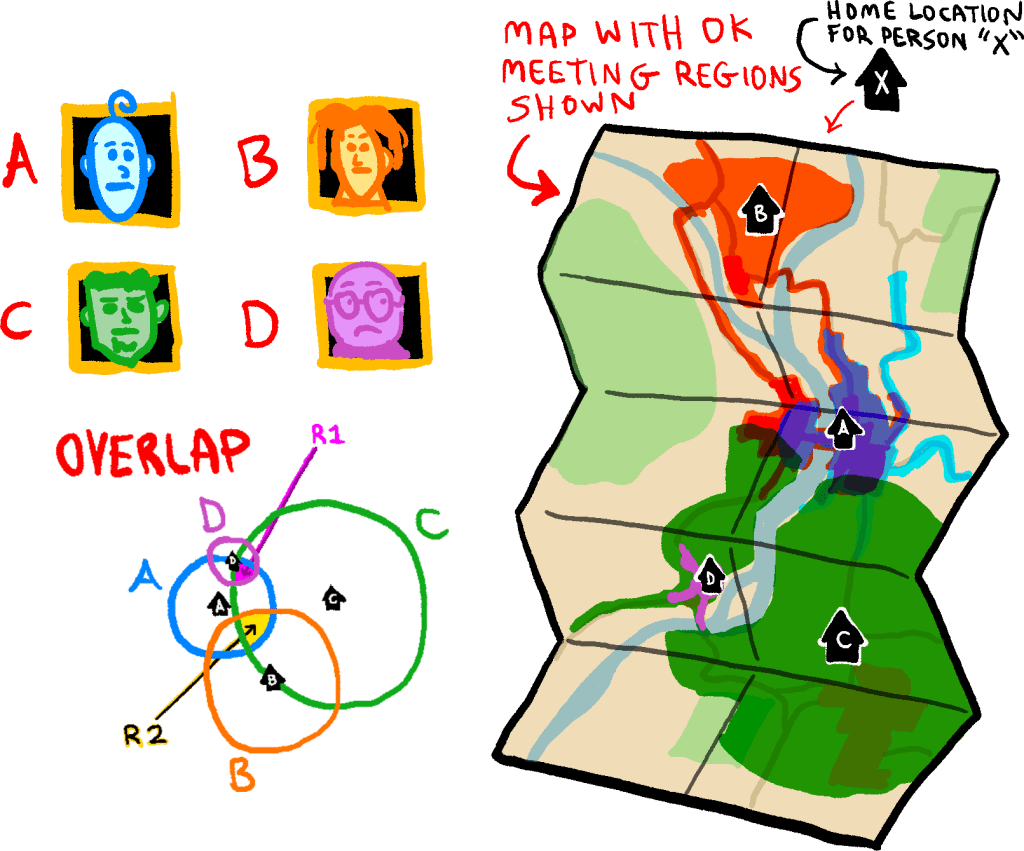
Background: A party host might invite a guest to an event that one mile, ten miles, 100 miles, or even 1000 miles away. In most situations, the key factor in determining whether or not the guest will actually attend is the relationship between the host and guest. For example, most people would probably drive 100…
-
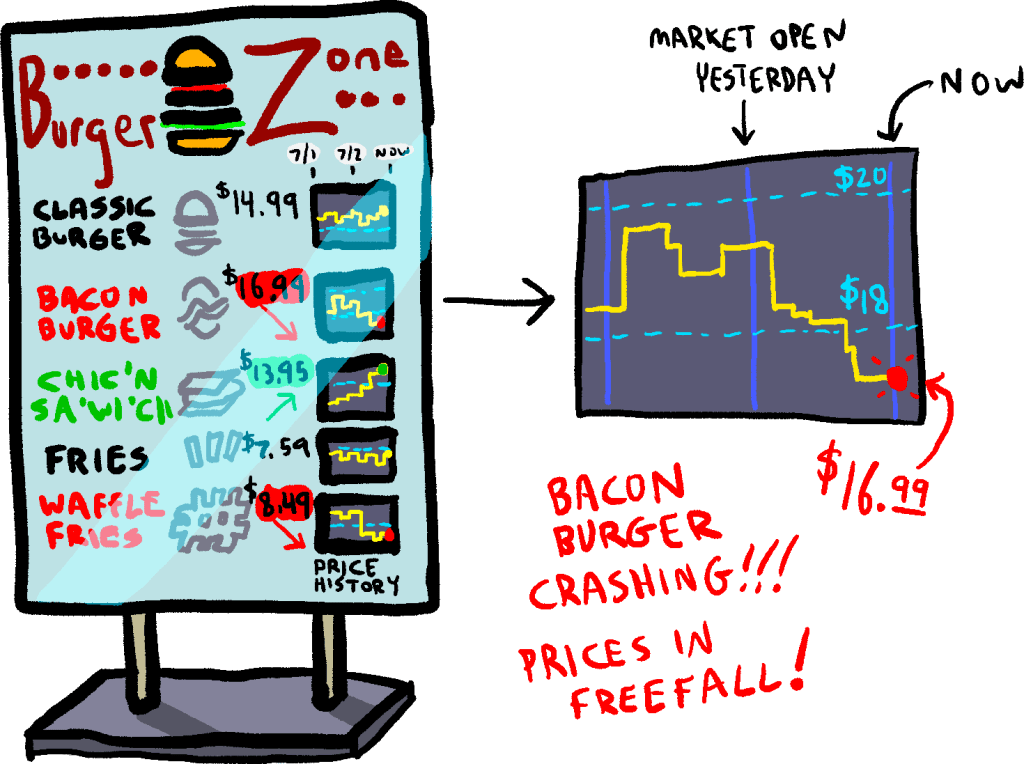
Background: Sometimes, restaurant menus will list a dish as “market price,” rather than giving a specific set price. (This is most commonly seen for seafood.) In such a situation, a diner would have to inquire as to what the specific price would be on a given day, based on the relative supply and demand of…
-
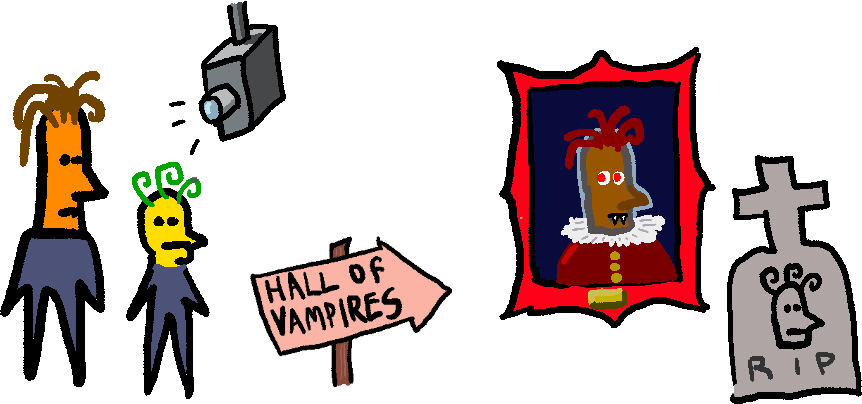
Background: Haunted houses are a Halloween experience that can range from extremely cheap and homemade (“this bowl of grapes is… human eyeballs!!!”) to extremely expensive and professional (e.g. Disney’s Haunted Mansion, although that’s not technically a “Halloween” experience). The goal of a haunted house is to evoke a feeling in the attendees that may range…
-
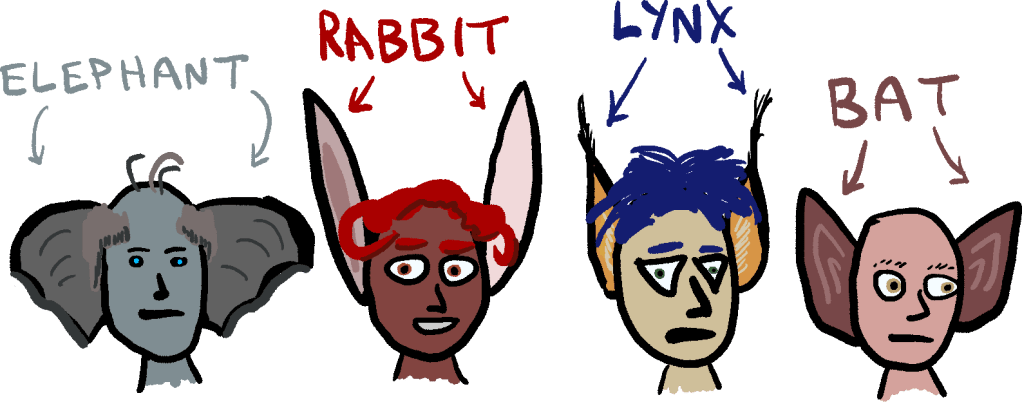
The Issue: In loud environments, such as noisy dining establishments, human ears (Figure 1) are often unsuitable for properly distinguishing the sounds of conversation from irrelevant background noise. If these ears were larger and had a more directional component, they’d be better-suited to the task of facilitating conversation. Proposal: Although there are various high-tech solutions…
-
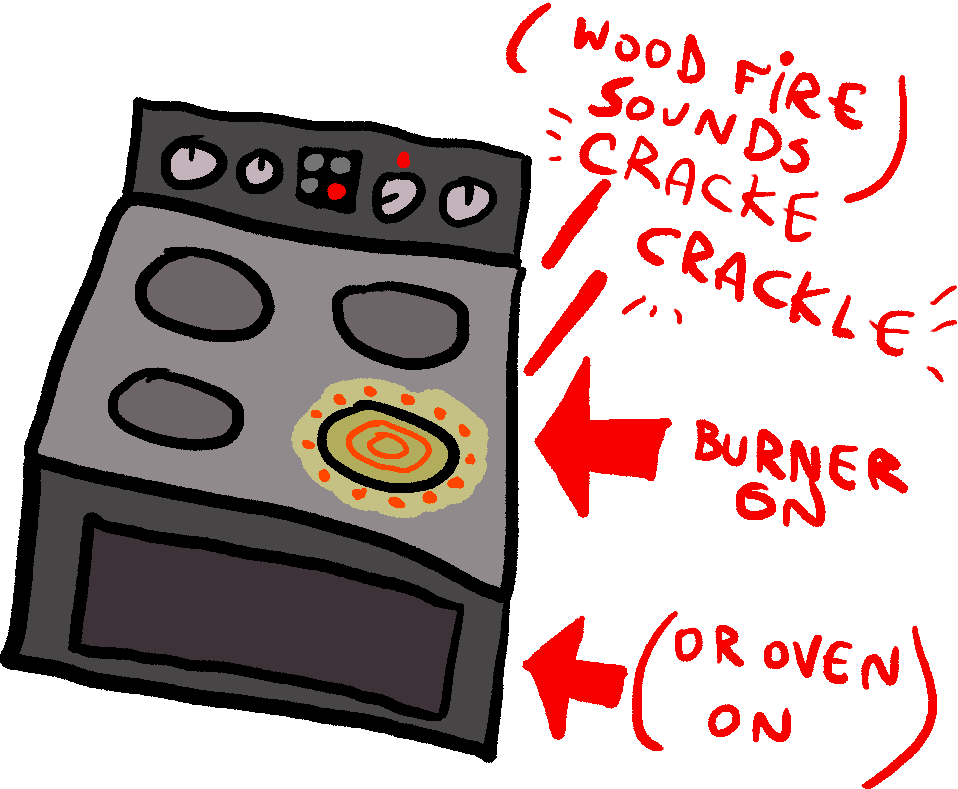
The Issue: Ovens and stoves can be dangerous home appliances. They can get extremely hot and they typically operate completely silently. This makes it easy for people to forget that they left the stove on! Interestingly, a similar issue exists for electric cars: they’re SO quiet at low speeds (as compared to a gas engine)…
 WorstPlans: updated every Monday since July 2014!