
Automotive / Cars
-
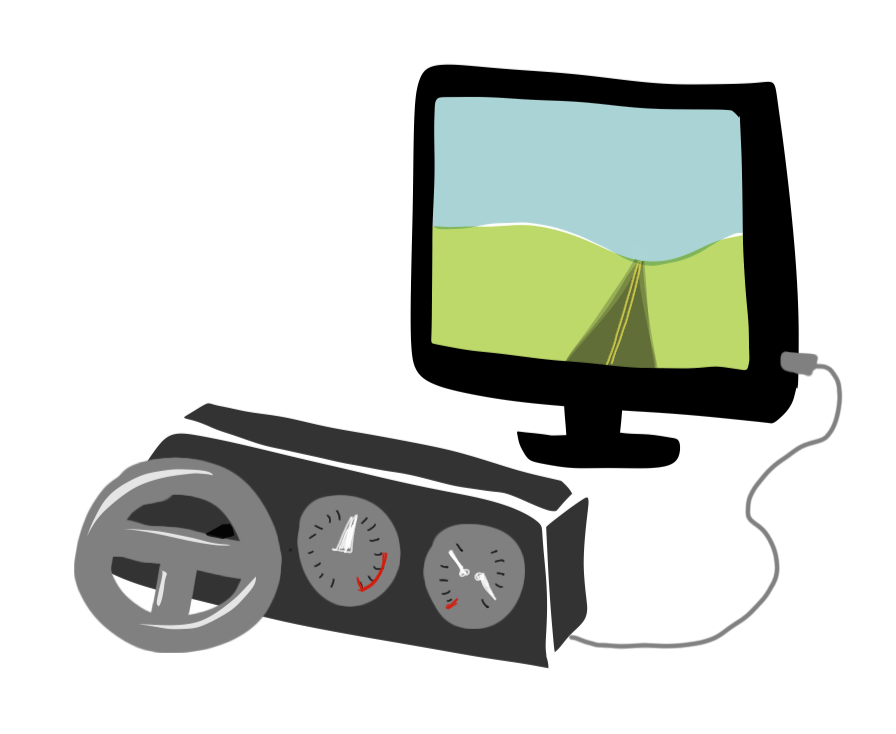
Background: In the United States, an employed person has two conflicting goals: To commute to their job as fast as possible (ideally by “hyperloop” or helicopter), …and to live as far away from their workplace as possible. To these ends, thousands of man-hours have gone into new legislation preventing residences near places of employment (zoning…
-

Background: Airport terminals often have small golf-cart-like trams that can be driven around in the passenger concourses. These are often used to help people move around the concourses (for example, one might be used to help a passenger with a leg in a cast who is trying to make it to a connecting flight). The…
-
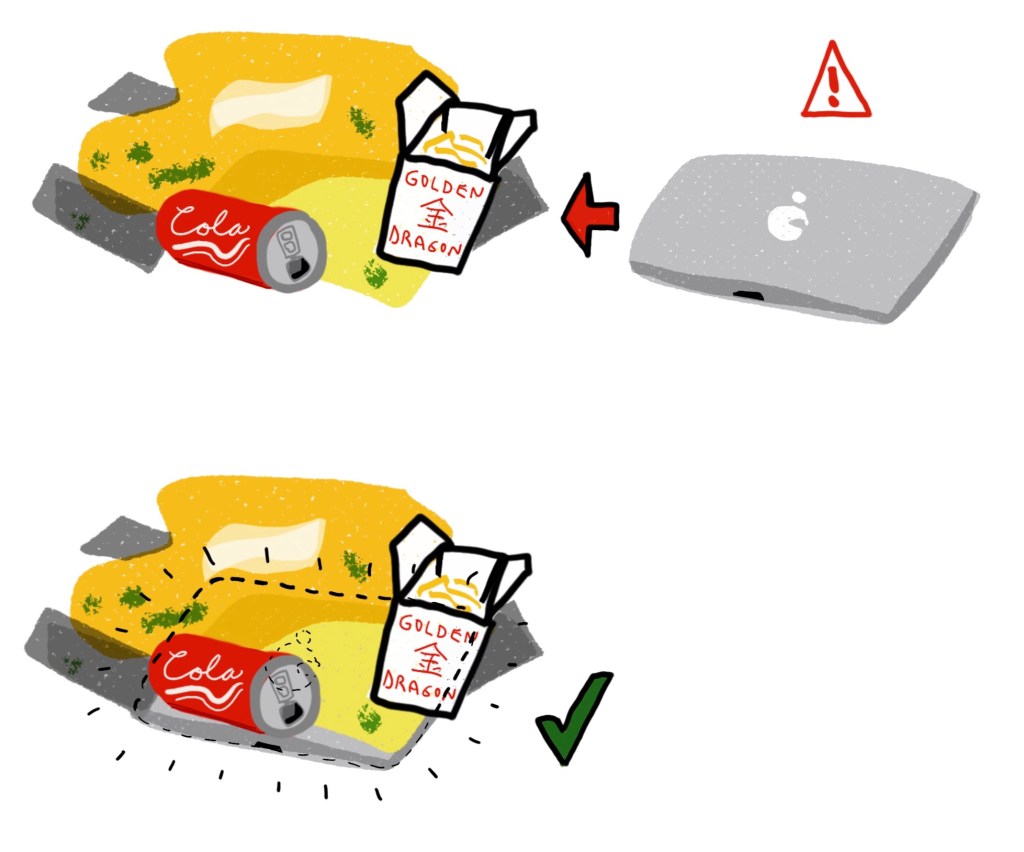
Background: Many types of cars—e.g. hatchbacks, SUVs, “crossover” vehicles—do not have a secure trunk space. Although these vehicles often come with retractable covers that can hide the contents of the trunk, they often don’t have 100% coverage. (So if you have a laptop sliding around in the back of your car, it’s entirely possible that…
-

Background: Car sun visors are useful for avoiding glare while driving. But they require constant adjustment on winding roads, and they don’t work at all if the sun is too low in the sky (e.g. sunrise, sunset conditions). Proposal: Instead of having a sun visor, what if the sun was blocked by an “eclipse disc,”…
-
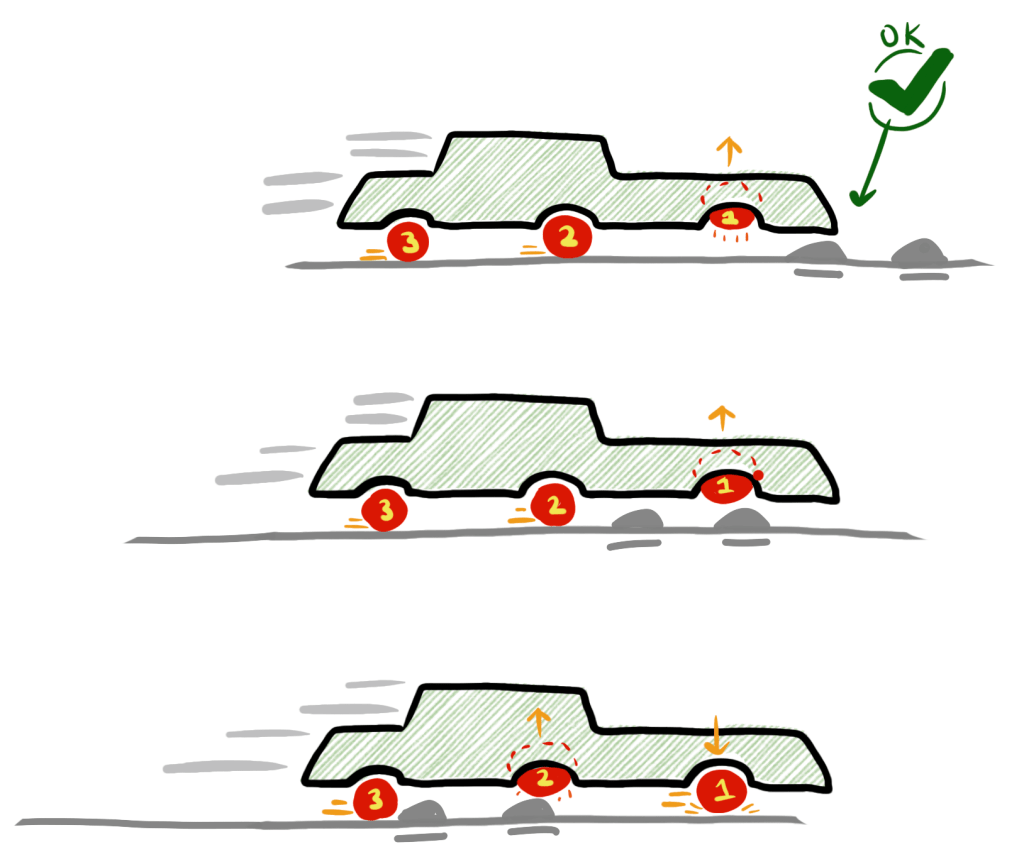
Background: Sometimes, when driving through a residential neighborhood road, you may encounter annoying speed bumps, speed humps, or speed lumps (Figure 1). The issue: These speed bumps / lumps discourage you from taking the shortcut (Figure 2). But you’re important, and have places to be! If only there were some way you could take these…
-

The issue: Sometimes, drivers are terrible (Figure 1). But there unfortunately does not exist any practical and useful way to accomplish the following: Let these drivers know that they have committed a traffic infraction Warn other drivers to watch out for these terrible drivers. Proposal: This plan has two parts, shown in Figure 2: 1)…
-

Background: When a driver comes to a stop sign, they don’t intuitively know whether it is a two-way or an all-way stop. The difference is important, because a lot more diligence is required at an intersection where cross traffic does not stop. The issue: See Figure 1: if you add a bunch of trees,…
-
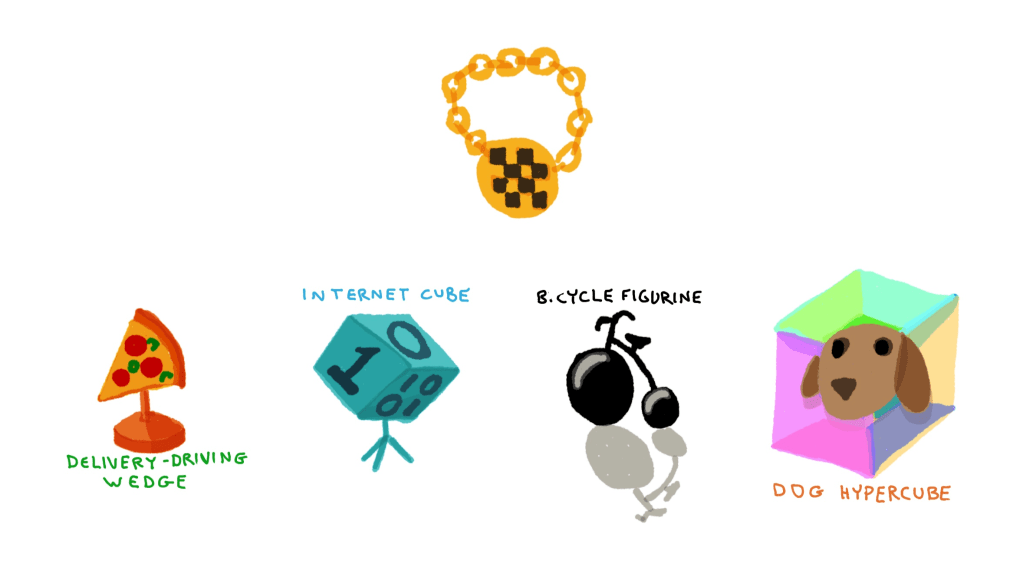
Background: Taxis in many cities operate under what is called a “medallion system” (Figure 1), whereby the supply of taxis is limited by a fixed quantity of tokens (“medallions”) that are issued in controlled quantities by the city. Proposal: For some reason, almost nothing else is regulated in this manner. But there are other services…
-

The issue: Many companies (especially tech-related ones) are located in extremely expensive cities. If a company in a major metropolitan area could easily relocate to a nearby but outlying area, then employee salaries could be cut by 25%, yet the employees would still have more after-tax/rent income. So essentially, the company would both be more…
-

Background: The stop sign, for all its utilitarian simplicity, has a severe and critical shortcoming: it has two different roles, both marked by the same sign (Figure 1). The two situations, and what the driver must do in each case: All-way stop: driver can casually check for other cars right there at the intersection, and…
 WorstPlans: updated every Monday since July 2014!
You must be logged in to post a comment.