
Health
-
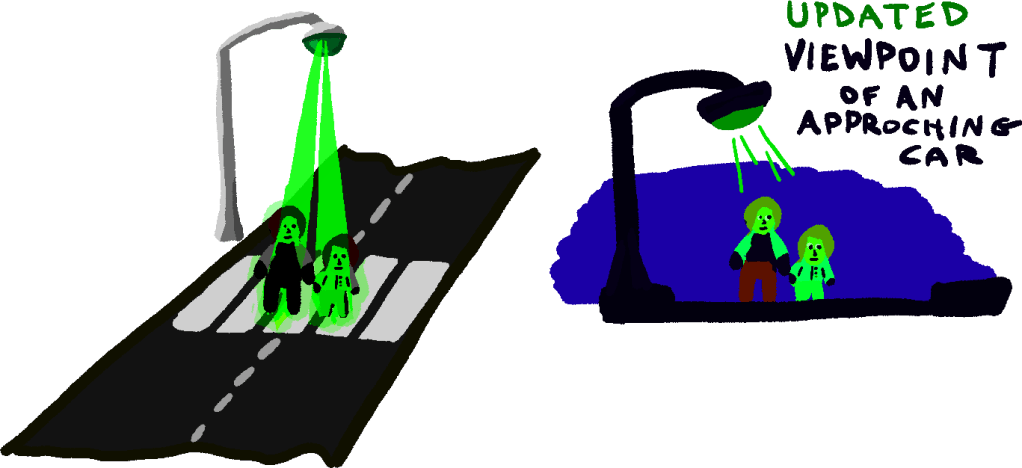
The Issue: Thousands of pedestrian fatalities occur every year. It can be easy for the driver of a fast-moving car to not see a person crossing the road ahead until it’s too late. Often, these collisions occur at night, even in areas with good streetlight coverage. But if streetlights aren’t sufficient, what else can be…
-
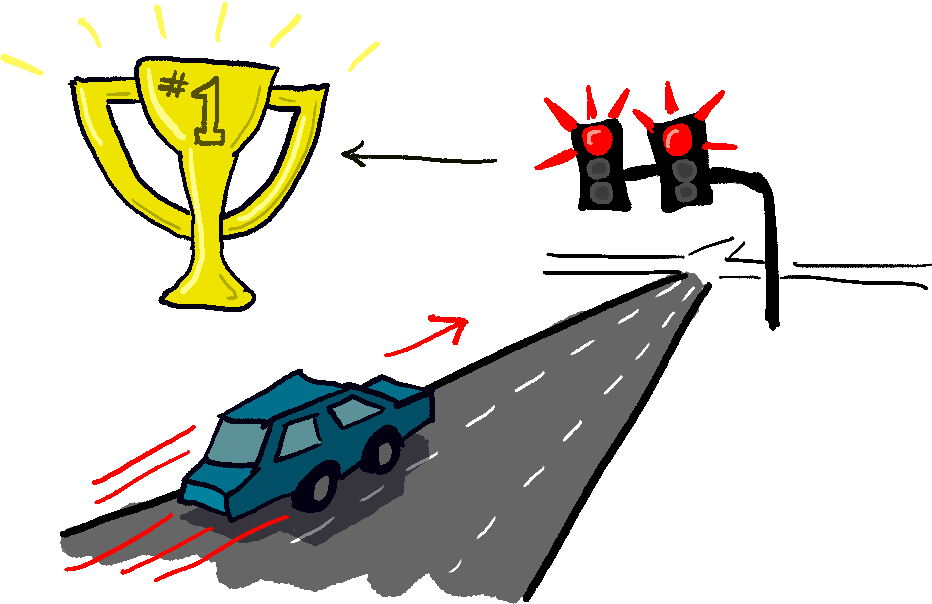
Background: Many automobile drivers enjoy zipping around other cars and rushing ahead to a red light as fast as possible (Figure 1), then slamming on the brakes and waiting for other cars to catch up. It’s surprising that people are so motivated to drive like maniacs to reach a red light, since there’s no prize…
-
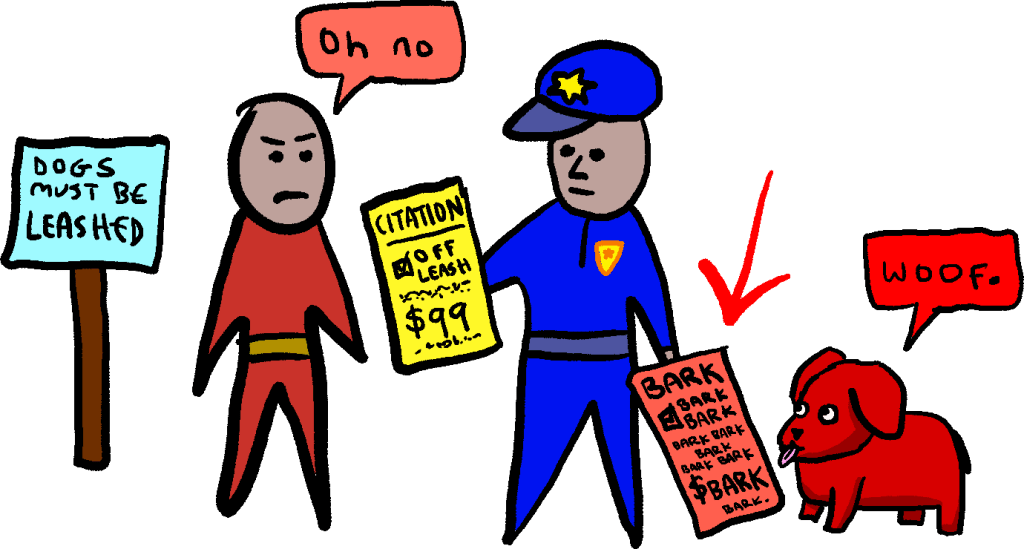
Background: Some parks and recreational areas prohibit off-leash dogs. If a person brings a dog to one of these areas and lets it run around off-leash, there’s the possibility that this person will be issued a citation and a small fine (Figure 1). Proposal: However: is it really fair for only the human to be…
-

Background: Some workplaces provide snacks for their employees, and employees frequently find it very difficult to avoid constantly snacking on these delicious treats. The Issue: It is hard to avoid snacking, especially when snacks are free. Proposal: The solution is simple (Figure 1): just wear a shirt that says “I’ll give you $20 if you…
-
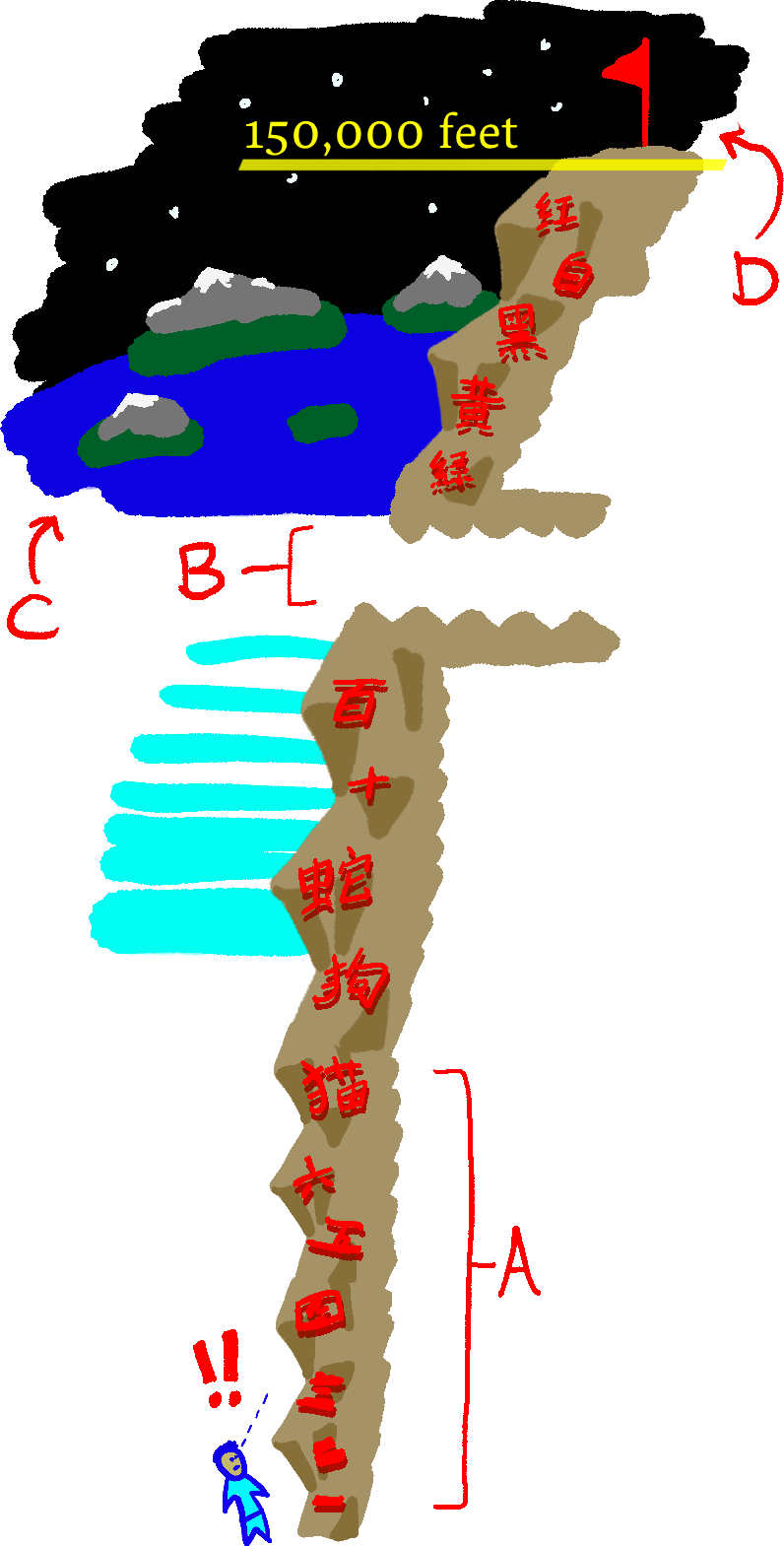
Background: In some climbing gyms, there are introductory climbing walls for children where the climbable hand holds are shaped like a recognizable object (Figure 1), instead of a random-looking piece of stone. Using the 26-letter (capital letters only) English alphabet, we can assemble a reasonably sized climbing wall wall without using any duplicate letters. The…
-

The Issue: The human body is relatively fragile and generally does not like collisions with pointy things. Unfortunately, in the modern world, there are a huge variety of dangerous objects with sharp edges, metal spikes, thorns, and more (Figure 1)! Although it is theoretically easily avoidable by paying attention, a person must be on guard…
-

Background: In the United States, the phrases “castle doctrine” and “home defense” most often refer to the idea of using guns to defend oneself from potential home invaders (specifically, by shooting them). However, despite the castle-related terminology, what is strangely lacking is any actual home defense (in the sense of medieval fortifications). See Figure 1…
-
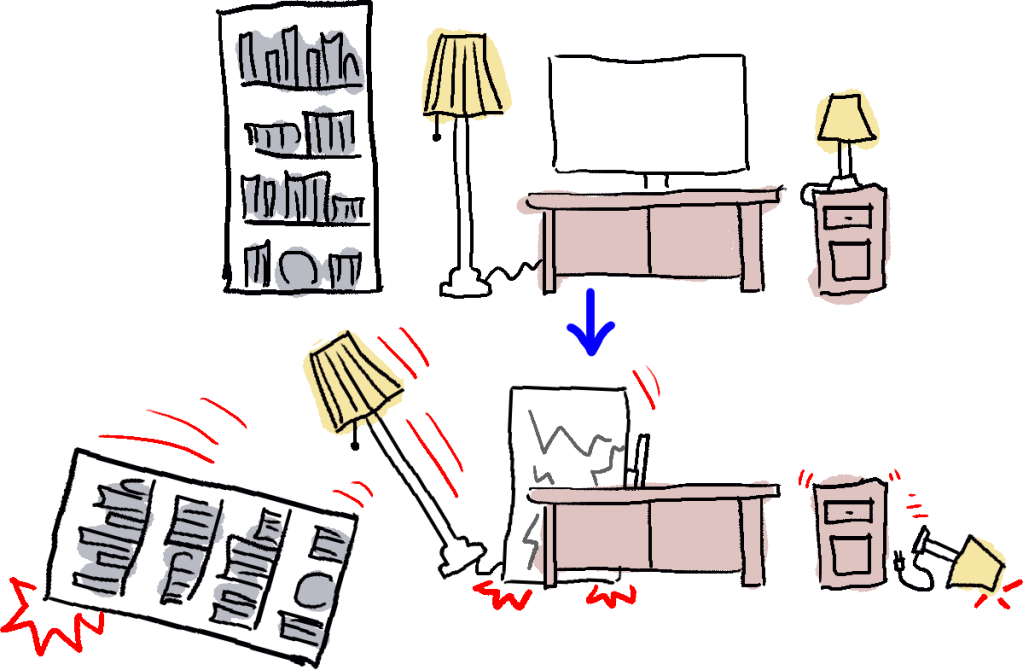
Background: When arranging furniture in a house, people generally tend to just put tall furniture (bookshelves, wardrobes, etc…) against a wall and just sort of hope that none of it falls over. Normally, this is a reasonable assumption, except during rare situations such as earthquakes or small children climbing up a bookshelf like a ladder.…
-
Background: Small children are generally not known for strict adherence to hygiene or to biosafety protocols, and may have a not-fully-calibrated immune system. As a result, when dozens of children are co-mingled at a daycare, it’s highly likely that they’ll be constantly bringing diseases back to their own homes, causing their parents / siblings /…
-
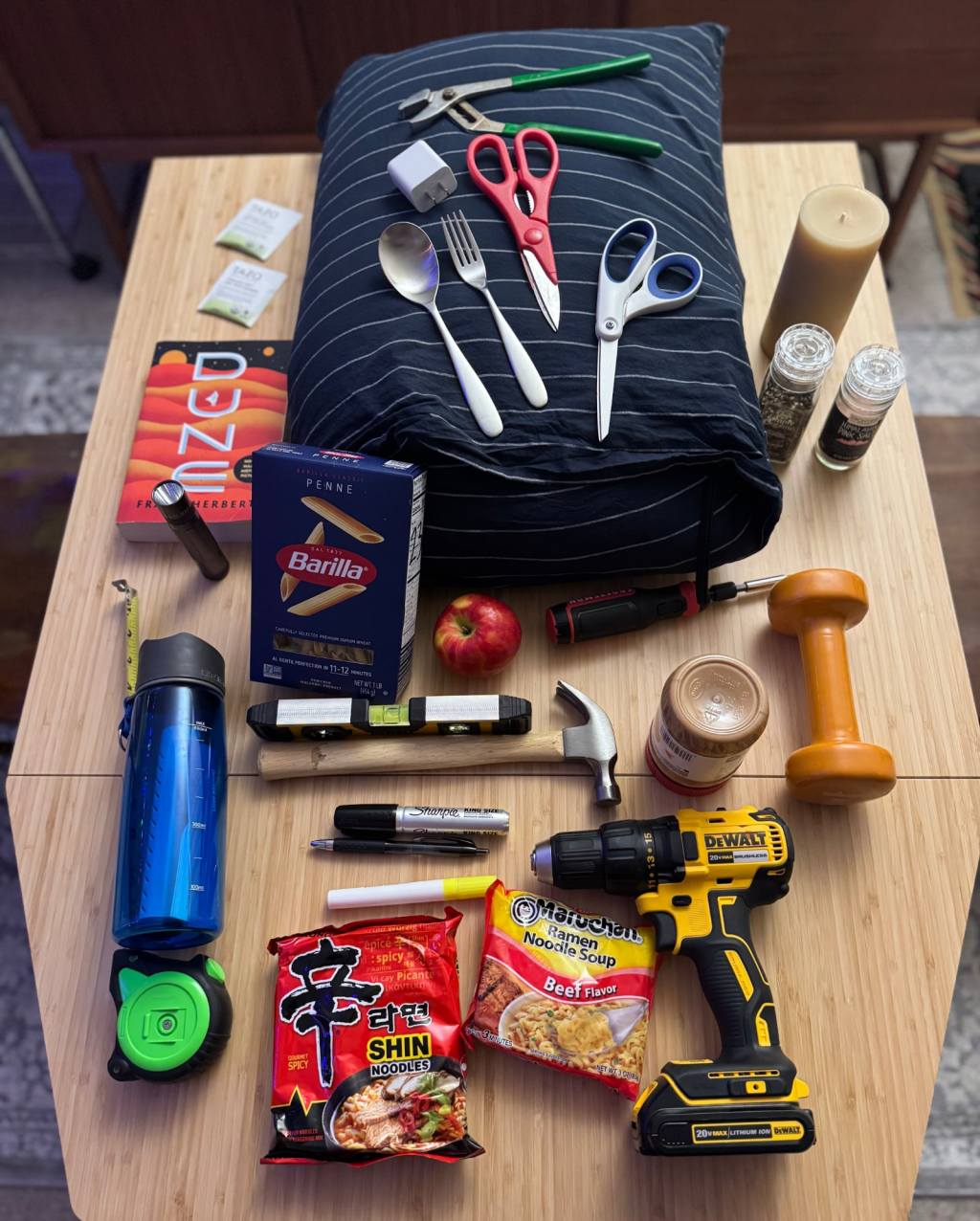
Background: When disaster strikes, it’s useful to have a set of easily-accessible emergency supplies that can be brought by a person fleeing danger. This is the concept of a “go” bag: a backpack full of common supplies that a person might need if they had to temporarily abandon their home due to a natural disaster.…

