
Art
-
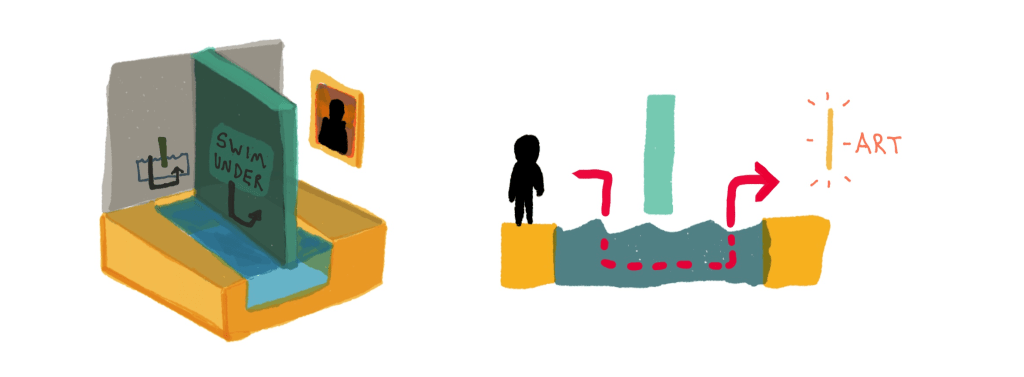
Background: Something that is difficult to obtain tends to be appreciated more than something that is easy to obtain. For example, people rate the same wine more highly when it has an expensive price tag. We can use this information to design a new style of art museum that will be a huge hit with all…
-

The issue: It’s difficult to fully appreciate certain types of art from just a photo, especially large pieces or three-dimensional works like statues. For example: Picasso’s Guernica (11 feet high, 25 feet wide) Michelangelo’s David (17 feet tall) The Sistine Chapel ceiling The Cave of Hands Unfortunately, these famous works are spread throughout the world,…
-

Background: Early 3D games used a relatively small number of polygons to create a blocky “low-poly” approximation of a game environment. Three styles that occasionally come close to the low-poly look are: Mid-Century Modern Scandinavian design (e.g. IKEA) Brutalism But none of these styles are specifically aiming to minimize the number of visible surfaces in…
-
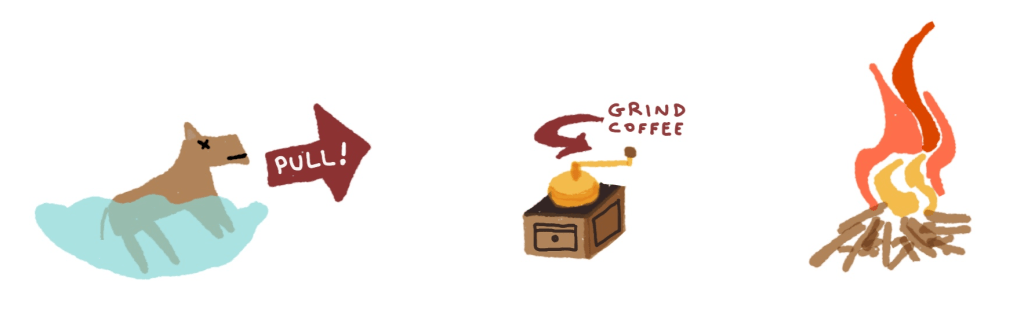
Background: Exercise routines are often extremely dry and boring. But they can be made more engaging by making a “themed” workout, with each part of a workout helping to accomplish an imaginary goal. This is not a totally new idea. For example, the game “Zombies Run” motivates a person to jog faster by providing a…
-

Background: 3D glasses provide the ability to put two totally separate images on a screen at once. Normally, the technology this is used to provide a stereo-3D effect (Figure 1). But we could use this same technology to show subtly (or entirely!) different films to different groups of people in an audience. Fig. 1: Each…
-
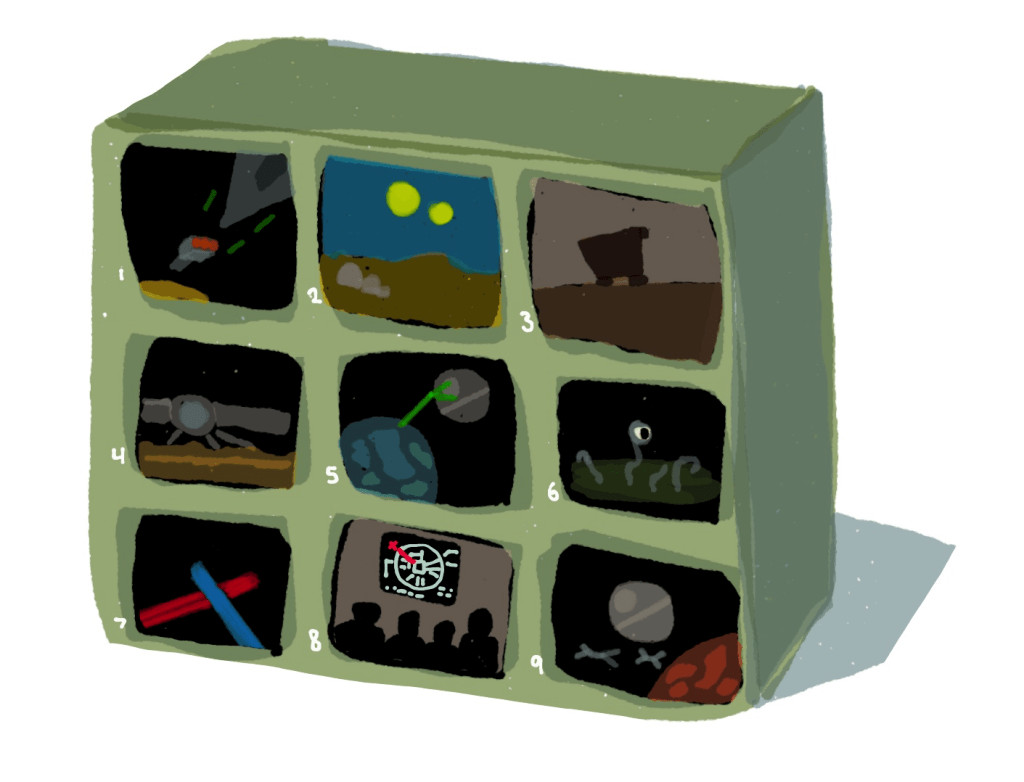
Background: There are hundreds of famous and excellent movies, but almost no one has seen them all! It’s possible to laboriously go through the extensive backlog of classic movies, but with the current volume of media, this would be a major endeavor. Proposal: By splitting a screen into N segments (for this example, let’s say…
-

Background: Museums are often large and weirdly laid out, and it’s frequently impossible to see the high points of culture without major hassle. In contrast, amusement park rides are laid out with extreme care to provide an engaging experience the whole way through. Specifically relevant to this proposal are “narrative” rides where a user gets…
-

Background: Some stories make amazing use of the end-of-chapter “cliffhanger” to keep readers turning pages. Even a mediocre work can be made compelling if there is a pressing need to resolve each chapter’s mystery before the reader can put the book down. The trick, of course, is to continually insert mysteries / dramatic cliffhangers throughout…
-

Background: In olden times, recordings could only be viewed at home by either personal movie projector (extremely rare) or VHS player. Nowadays, digital video makes it possible for anyone to get on-demand video without the hassle of low-quality video and rewinding tapes. But perhaps the “VHS experience” is integral to getting the full effect from…
 WorstPlans: updated every Monday since July 2014!
You must be logged in to post a comment.