
Health
-

The Issue: The human body is relatively fragile and generally does not like collisions with pointy things. Unfortunately, in the modern world, there are a huge variety of dangerous objects with sharp edges, metal spikes, thorns, and more (Figure 1)! Although it is theoretically easily avoidable by paying attention, a person must be on guard…
-

Background: In the United States, the phrases “castle doctrine” and “home defense” most often refer to the idea of using guns to defend oneself from potential home invaders (specifically, by shooting them). However, despite the castle-related terminology, what is strangely lacking is any actual home defense (in the sense of medieval fortifications). See Figure 1…
-
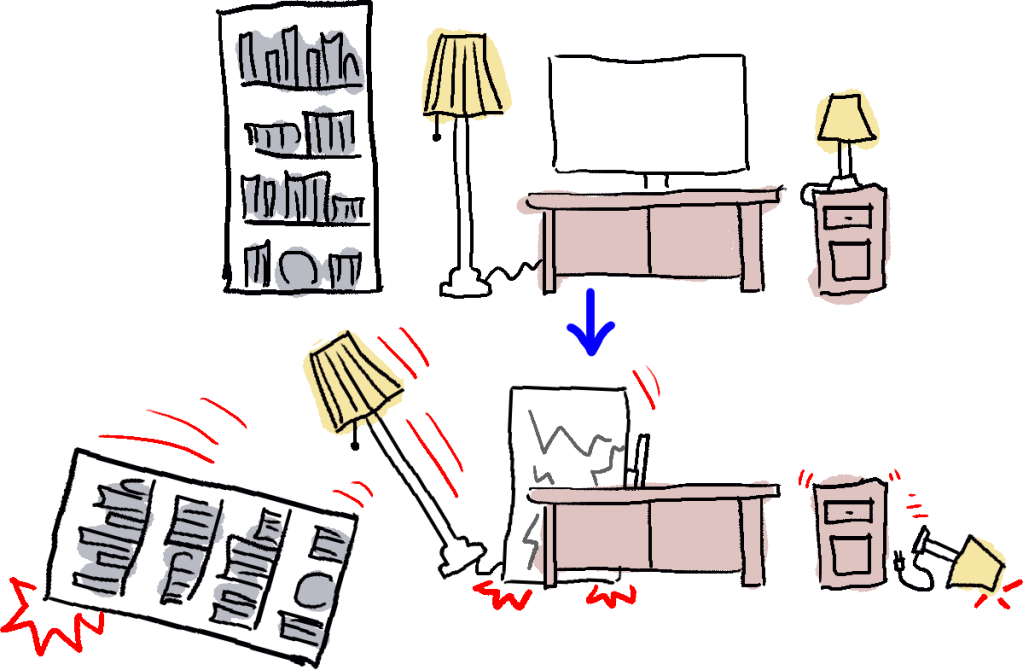
Background: When arranging furniture in a house, people generally tend to just put tall furniture (bookshelves, wardrobes, etc…) against a wall and just sort of hope that none of it falls over. Normally, this is a reasonable assumption, except during rare situations such as earthquakes or small children climbing up a bookshelf like a ladder.…
-
Background: Small children are generally not known for strict adherence to hygiene or to biosafety protocols, and may have a not-fully-calibrated immune system. As a result, when dozens of children are co-mingled at a daycare, it’s highly likely that they’ll be constantly bringing diseases back to their own homes, causing their parents / siblings /…
-
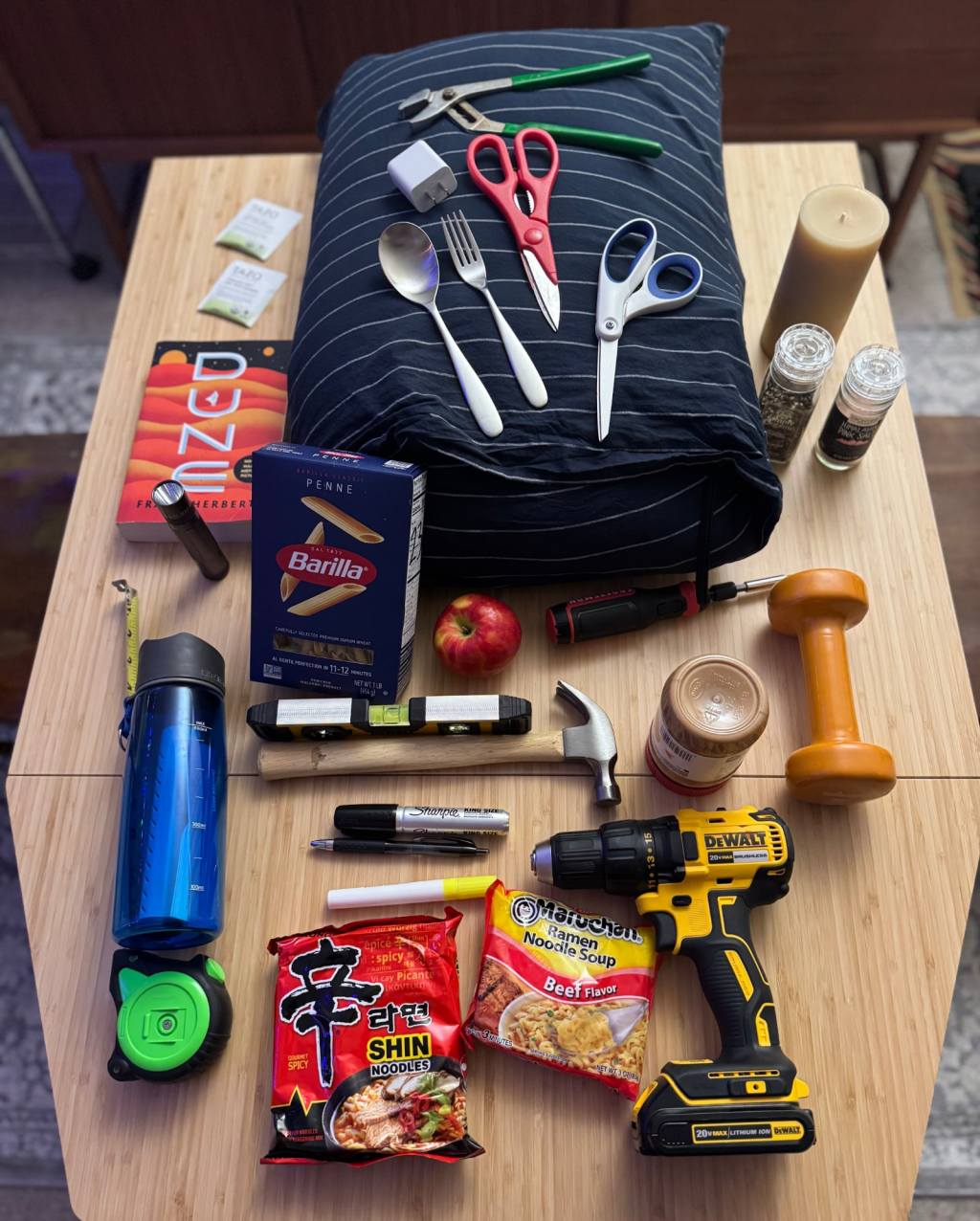
Background: When disaster strikes, it’s useful to have a set of easily-accessible emergency supplies that can be brought by a person fleeing danger. This is the concept of a “go” bag: a backpack full of common supplies that a person might need if they had to temporarily abandon their home due to a natural disaster.…
-

Background: People frequently leave notes around the house, either as reminders to themselves or as reminders to family members or roommates. For example: “Remember to push the fridge door shut, or it stays open!” or “Remember to lock the top lock when you leave the house!“ The Issue: These reminders are all fine and good,…
-
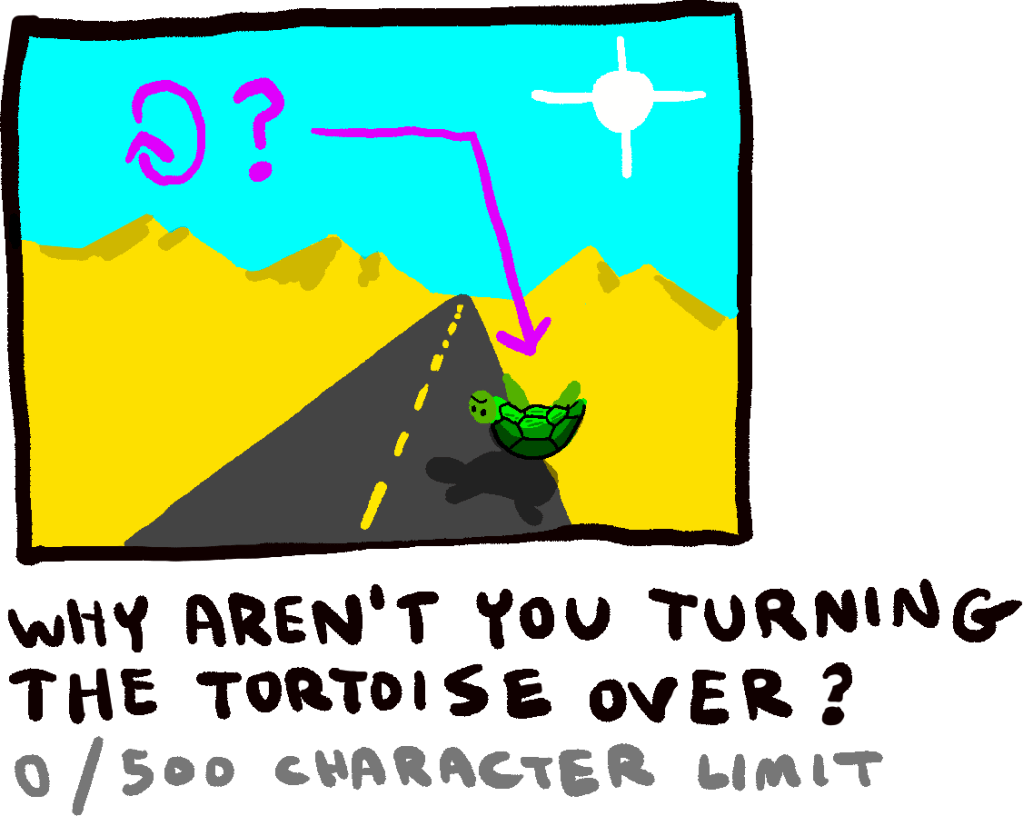
Background: One classic cause of civilization-ending apocalypse in science fiction is AI-initiated nuclear war, as variously depicted in Wargames (1983), Terminator (1984), Battlestar Galactica (2003), and other media. The Issue: Generally, humans don’t fare well in a post-nuclear-apocalypse setting, and would like to avoid it when possible. Unfortunately, security around nuclear launches may be inadequate (Figure 1): it…
-

Background: Frequently, residential houses have areas that are dangerous in some way: perhaps a railing that is a little wobbly (but will probably stay attached), a garage door that is missing the “don’t crush a person” electric eye sensor, or a bookshelf with a three-hundred-pound vase that is perilously perched on the top shelf. The…
-

Background: Some older home have “simple” built-in drawers that are just a wooden box that slides on some wooden rails (instead of metal drawer slides). These drawers are fine for rarely-accessed items, but can be quite annoying in frequently-used situations (such as kitchen utensil drawers). The Issue: Since these drawers typically don’t have any sort…
-
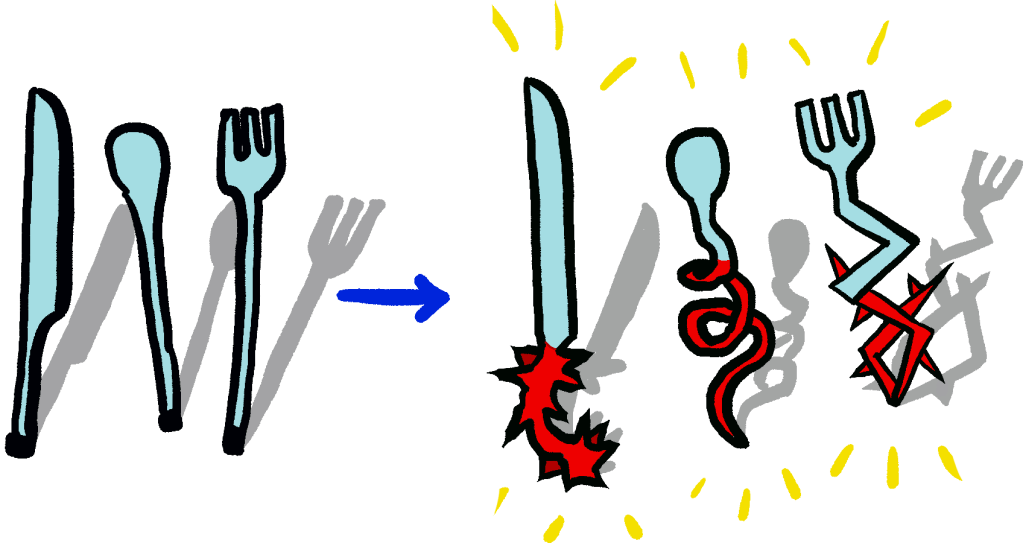
The Issue: Modern food has been optimized for deliciousness and ease-of-eating. Unfortunately, this makes it easy to quickly devour an entire plate of food. This is bad news for dieting and portion control. Proposal: Dieting plans typically focus on the type and quantity of food being eaten. Strangely, these plans rarely look at the utensils…
 WorstPlans: updated every Monday since July 2014!