
video games
-
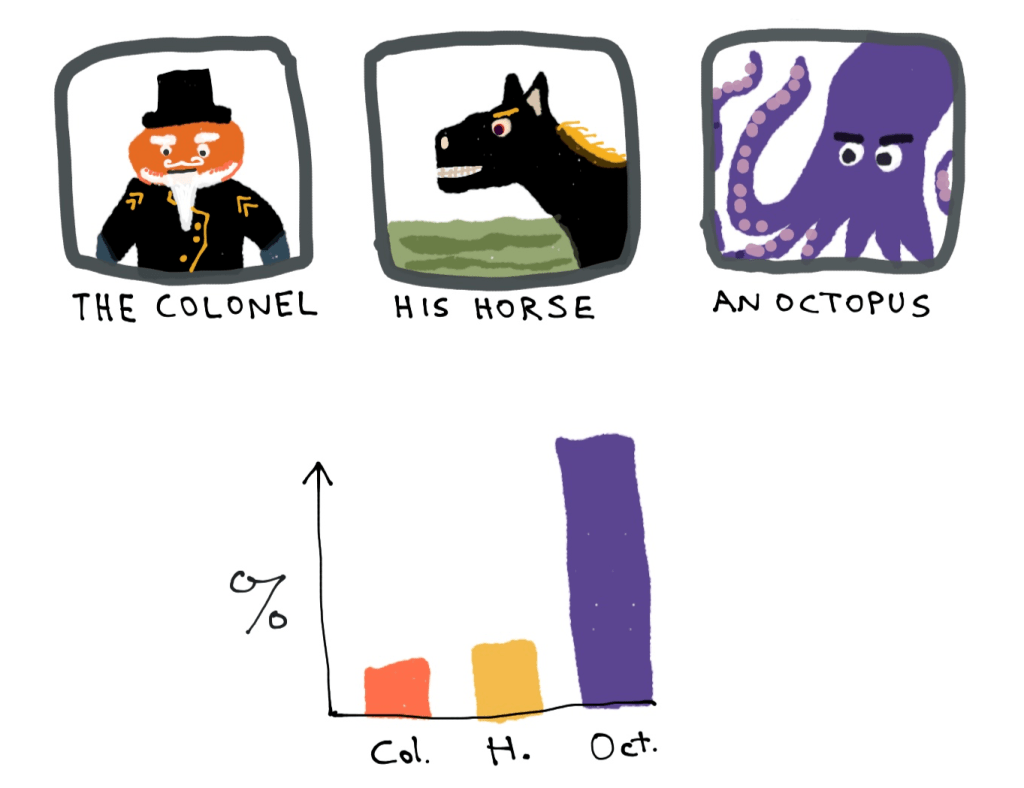
The issue: Gathering data for scientific studies can be difficult. So why not tap into the world of VIDEO GAMES to conduct experiments on willing participants for no additional monetary cost! Normal scenario: Researcher: “I wonder what factors lead to a person trusting Person A instead of Person B?” or: Researcher: “I suspect that—all else…
-

Background: There have been a number of historical attempts to bring exercise and video games together. However, these have mostly required additional attachments and/or gimmicky peripherals in order to function. But improved computer vision algorithms (plus the widespread availability of inexpensive cameras on laptops, televisions, and monitors) mean that it is now possible for the…
-
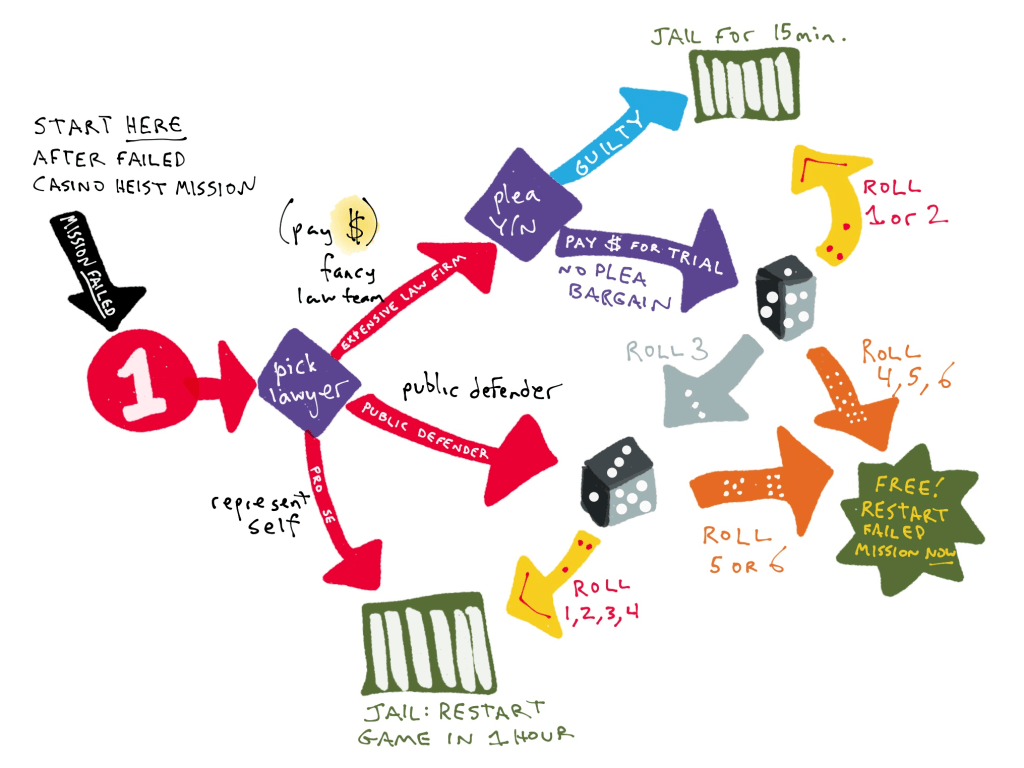
Background: We previously focused on adding a sense of danger to a computer game by adding new consequence for failure. (Specifically, adding an increasingly-onerous delay to the player respawn timer.) In this follow-up idea, we suggest two motivating premises: If a player has no consequences for failure, then they will not as keenly feel…
-
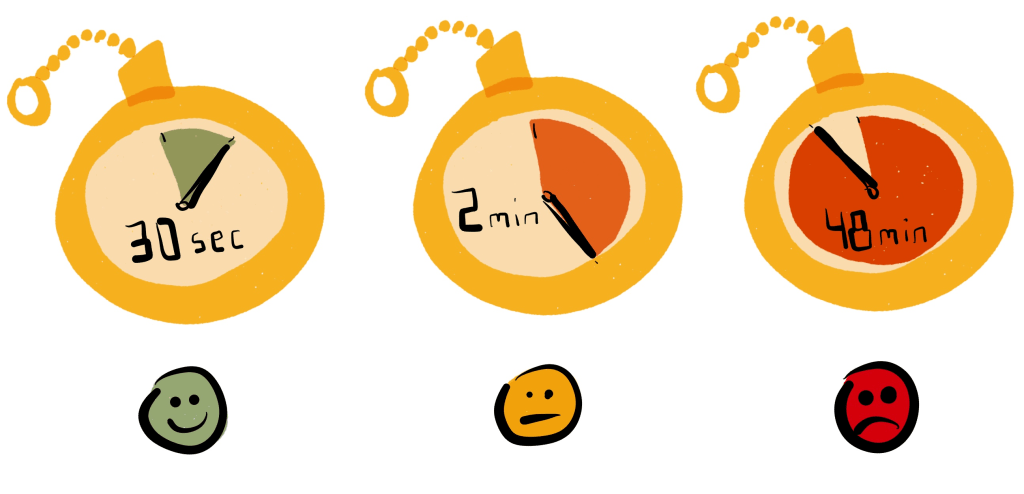
Background: Modern video games are, with a few notable exceptions, generally designed to minimize the amount of irritation and aggravation that the player experiences. The issue: However, one flip side to the general “smooth sailing” experience of gameplay is the lack of any “stake” of the user in the gameworld, which reduces the tension and…
 WorstPlans: updated every Monday since July 2014!
You must be logged in to post a comment.