Background:
When learning a foreign language, it can be difficult to advance beyond the stage of extremely basic competency. Once a person can “kind of” use a language, it is rare that their communication attempts will be corrected by random strangers, so that person will end up saying things like “Here, there is pancakes served? At breakfast?” or “Please give…. receipt for food?”
Although this level of language proficiency may be adequate for day-to-day interactions, it might benefit a person’s career (and social life) to reach near-native fluency in the local language. But how?!
Proposal:
The solution is simple: an LLM-powered parrot robot that will listen to nearby audio and parrot it back according to the following prompt:
Prompt: You are a parrot. Here is a sentence from a non-native speaker of your language: ______. If that sentence seems idiomatically correct, don’t do anything. But if that sentence is odd, rephrase it in the way that a native speaker would use.
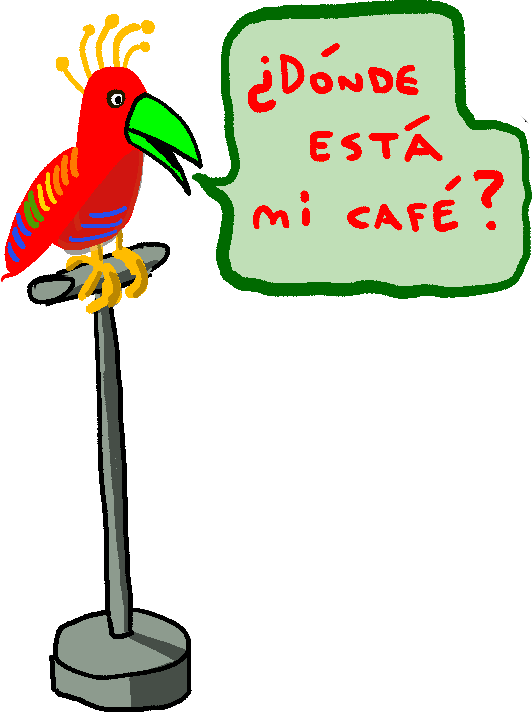
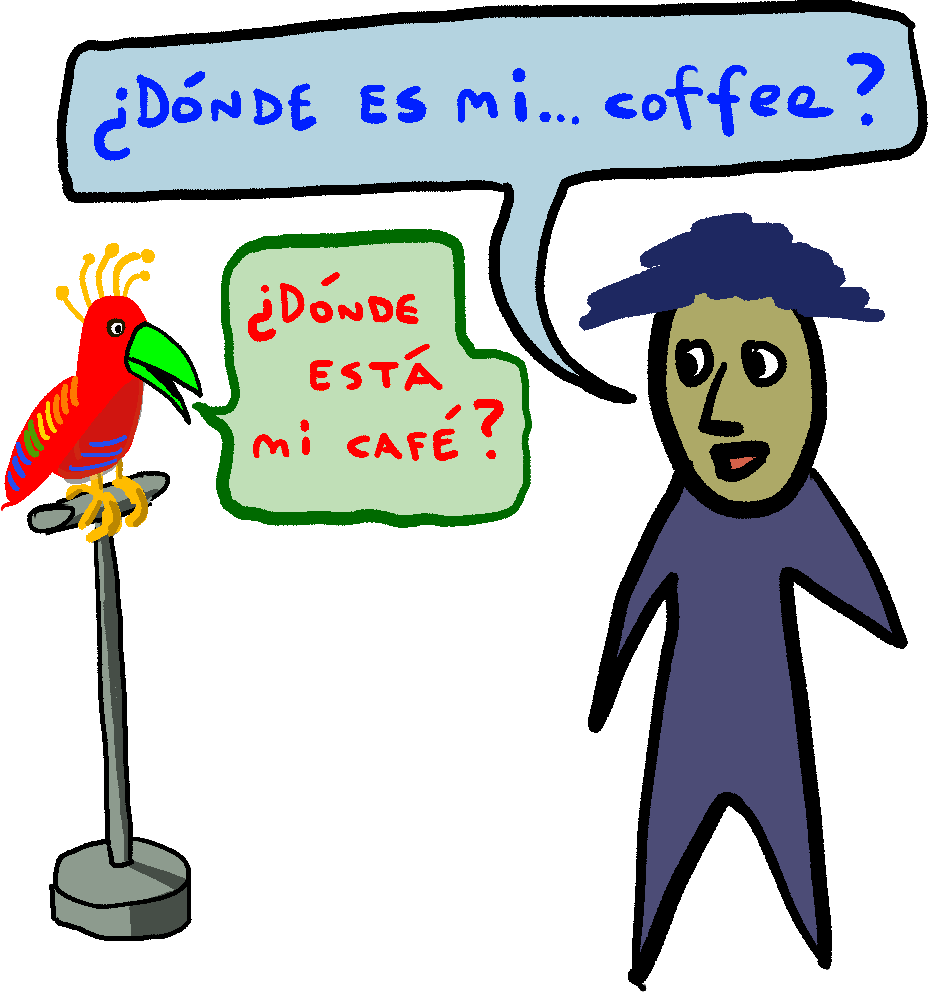
This parrot will live in the user’s home and will parrot back corrected versions of the user’s utterances (Figure 1).
Why is it a parrot, though?
The bird form factor isn’t just for show, either: as a parrot, this device can be easily brought out of the house by allowing it to perch on the user’s shoulder. This way, the AI device can masquerade as a normal pirate-style shoulder-sitting parrot and blend in without drawing any negative attention. This works best if the user lives in a 1700s-era pirate re-creation village, but it could possibly also work in other environments as well.
PROS: May help a person develop their foreign language skills.
CONS: If this catches on, it may make the term “stochastic parrot” more difficult to find in online searches.
Originally published 2026-07-20.


You must be logged in to post a comment.